

 >
>
- 1. Interventional Spine Treatments in Accordance with IPSIS Standards
- 2. What Are Interventional Spine Treatments?
- 3. Which Conditions Can Be Treated with Interventional Spine Procedures?
- 4. How Is the Treatment Process Planned?
- 5. The Importance of Image Guidance
- 6. The Importance of Combining Treatment with Physical Therapy
- 7. What Should Be Considered in Daily Life?
- 8. Frequently Asked Questions
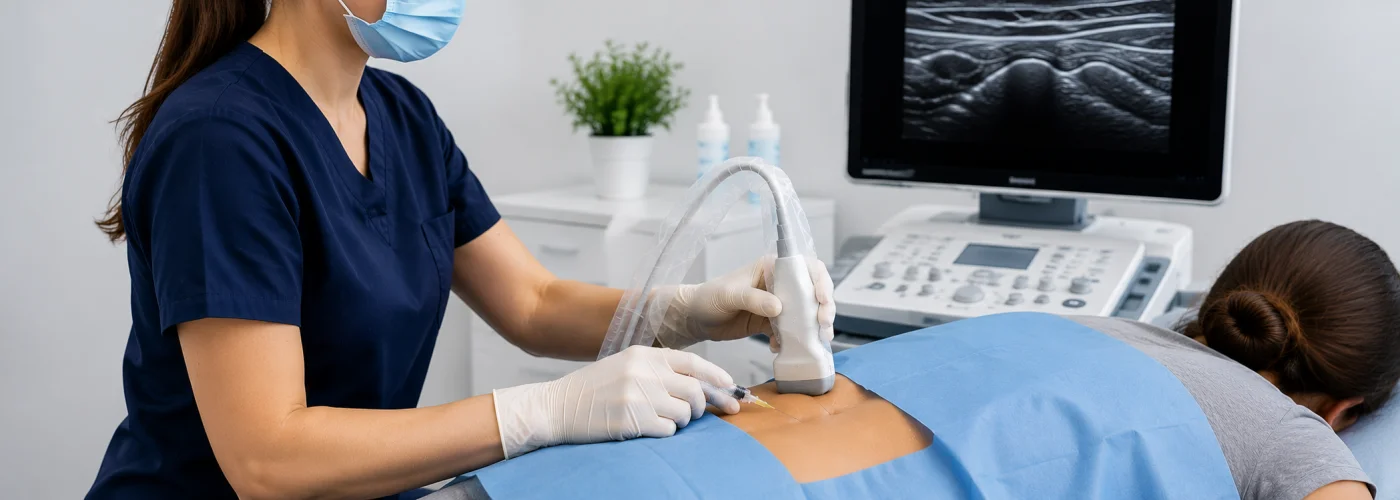
Interventional Spine Treatments in Accordance with IPSIS Standards
What Are Interventional Spine Treatments?
Interventional spine treatments are minimally invasive procedures used in the diagnosis and management of pain originating from the spine and nervous system. The primary goals are to accurately identify the source of pain, reduce inflammation around the affected nerves, and improve the patient's mobility and quality of life.
These treatments are recommended for appropriately selected patients following a comprehensive clinical evaluation and are often combined with physical therapy.
Which Conditions Can Be Treated with Interventional Spine Procedures?
Interventional spine treatments may be considered for the following conditions:
- Lumbar disc herniation
- Cervical disc herniation
- Spinal stenosis
- Sciatica
- Facet joint-related neck and lower back pain
- Sacroiliac joint pain
- Nerve root compression
- Chronic spine-related pain
- Appropriate spinal disorders that do not require surgery
The most suitable treatment option is determined after a detailed physical examination and evaluation of imaging findings.
How Is the Treatment Process Planned?
Before treatment, a detailed medical history is obtained, and a comprehensive physical examination is performed. When necessary, imaging studies such as Magnetic Resonance Imaging (MRI), Computed Tomography (CT), or other diagnostic methods are reviewed to identify the exact source of the pain.
The interventional procedure is then planned using appropriate techniques and in accordance with current safety principles. Following the procedure, patients are observed for a short period, and most are able to return to their normal daily activities on the same day.
The Importance of Image Guidance
The use of appropriate imaging guidance during interventional spine procedures contributes to accurate localization of the target area and enhances procedural safety.
Depending on the clinical indication, fluoroscopy (C-arm X-ray) or ultrasound guidance may be used. The choice of imaging technique depends on the type of procedure being performed and the patient's individual clinical condition.
The Importance of Combining Treatment with Physical Therapy
Interventional procedures alone may not be sufficient. Once pain has been brought under control, physical therapy, individualized exercise programs, posture training, and muscle-strengthening exercises help improve long-term treatment outcomes.
This comprehensive approach aims not only to reduce pain but also to preserve spinal function and support a safe return to daily activities.
What Should Be Considered in Daily Life?
To maintain spinal health, patients are advised to:
- Exercise regularly
- Strengthen the muscles supporting the spine
- Maintain proper posture and sitting habits
- Avoid remaining in the same position for prolonged periods
- Lift heavy objects using proper body mechanics
- Maintain a healthy body weight
- Follow their physician's recommendations and attend regular follow-up appointments