

 >
>
- 1. Spinal Stenosis and Sciatica Treatment
- 2. What Is Spinal Stenosis?
- 3. What Is Sciatica?
- 4. What Are the Symptoms of Spinal Stenosis and Sciatica?
- 5. How Are Spinal Stenosis and Sciatica Diagnosed?
- 6. How Are Spinal Stenosis and Sciatica Treated?
- 7. The Importance of Physical Therapy
- 8. What Should Be Considered in Daily Life?
- 9. Frequently Asked Questions
Spinal Stenosis and Sciatica Treatment
What Is Spinal Stenosis?
Spinal stenosis is a condition in which the spinal canal, through which the spinal cord and nerve roots pass, becomes narrowed for various reasons. Age-related degenerative changes, osteoarthritis, herniated discs, and thickening of the surrounding ligaments can narrow the spinal canal and place pressure on the nerves.
It most commonly affects the lower back and neck regions. Although it is more frequently seen in older adults, it can develop in individuals of different age groups.
What Is Sciatica?
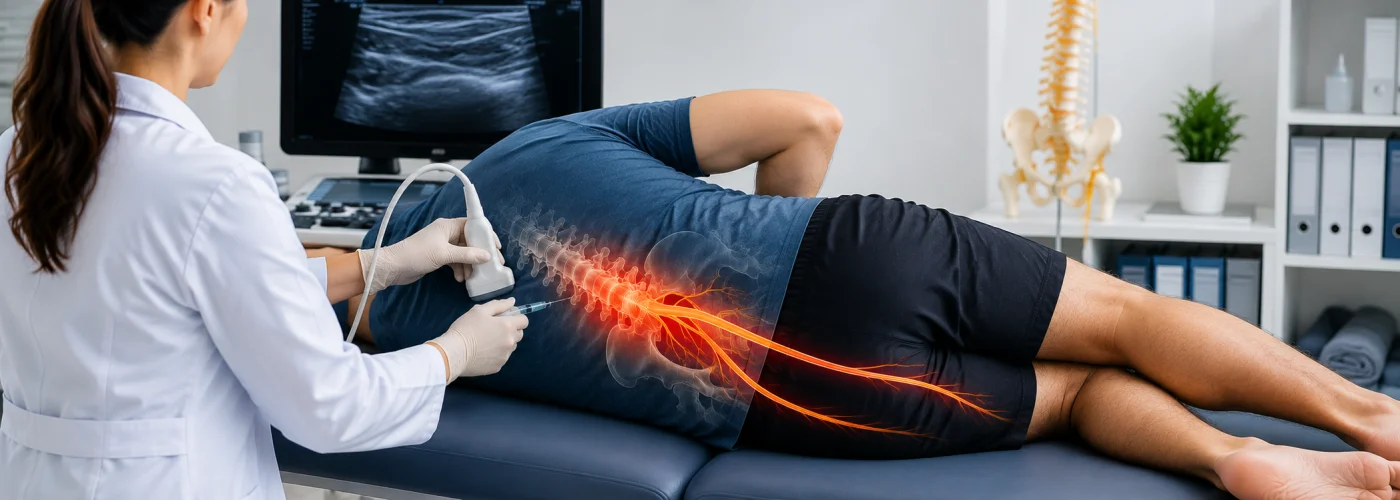
Sciatica is a clinical condition caused by compression or irritation of the sciatic nerve, the longest nerve in the body. It is typically characterized by pain that begins in the lower back and radiates through the buttock, thigh, calf, and down to the foot.
Sciatica is not a disease itself but rather a symptom that may result from various spinal disorders. While a herniated lumbar disc is the most common cause, spinal stenosis, spondylolisthesis, and muscle spasms may also lead to sciatic pain.
What Are the Symptoms of Spinal Stenosis and Sciatica?
Symptoms may vary depending on the underlying cause and the severity of nerve compression.
The most common symptoms include:
- Lower back pain
- Pain radiating to the buttock and leg
- Numbness and tingling
- Muscle weakness
- Difficulty walking for extended periods
- Pain that worsens while standing
- Relief when bending forward
- Balance and walking difficulties in advanced cases
If symptoms persist for an extended period, evaluation by a healthcare professional is recommended.
How Are Spinal Stenosis and Sciatica Diagnosed?
A detailed medical history and physical examination are essential for diagnosis. Muscle strength, reflexes, sensory function, and walking ability are carefully evaluated.
When necessary, the following imaging and diagnostic tests may be performed:
- Magnetic Resonance Imaging (MRI)
- Computed Tomography (CT)
- Plain X-ray
- Electromyography (EMG)
These evaluations help determine the location and severity of nerve compression, allowing for the development of an appropriate treatment plan.
How Are Spinal Stenosis and Sciatica Treated?
Treatment is planned according to the patient's symptoms, age, daily activities, and the degree of nerve compression. In most cases, non-surgical treatment methods are the first choice.
Treatment options may include:
- Medication therapy
- Physical therapy
- Personalized exercise programs
- Manual therapy
- Posture and spinal education
- Nerve mobilization exercises
- Weight management and lifestyle modifications
When necessary, interventional pain management procedures or surgical options may be considered in collaboration with the appropriate medical specialties.
The Importance of Physical Therapy
Physical therapy is one of the most important components in the treatment of spinal stenosis and sciatica. Regular exercise programs help strengthen the muscles surrounding the spine, reduce pressure on the nerves, and improve mobility.
Treatment programs should always be individualized and carried out under the supervision of a qualified healthcare professional.
What Should Be Considered in Daily Life?
Adopting healthy daily habits plays an important role in achieving successful treatment outcomes.
Patients are advised to:
- Exercise regularly
- Maintain a healthy body weight
- Avoid remaining in the same position for prolonged periods
- Avoid lifting heavy objects
- Practice proper sitting and standing posture
- Perform exercises that strengthen the lower back muscles
- Attend regular medical follow-up appointments