

 >
>
- 1. Musculoskeletal Disorders
- 2. What Are Musculoskeletal Disorders?
- 3. What Are the Symptoms of Musculoskeletal Disorders?
- 4. How Are Musculoskeletal Disorders Diagnosed?
- 5. How Are Musculoskeletal Disorders Treated?
- 6. The Importance of Physical Therapy and Rehabilitation
- 7. What Should Be Considered in Daily Life?
- 8. Frequently Asked Questions
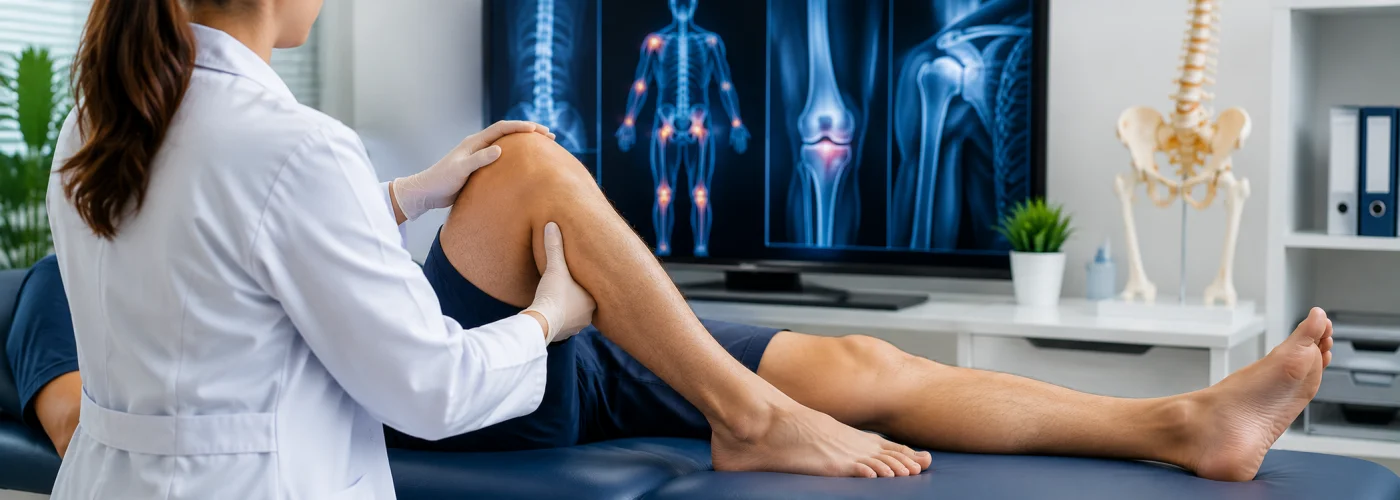
Musculoskeletal Disorders
What Are Musculoskeletal Disorders?
Musculoskeletal disorders may develop as a result of congenital conditions, age-related degeneration, trauma, or rheumatic diseases affecting the structures responsible for movement.
The most common musculoskeletal disorders include:
- Lumbar and cervical disc herniation
- Osteoarthritis
- Tendinitis and bursitis
- Muscle strains
- Ligament injuries
- Shoulder impingement syndrome
- Frozen shoulder
- Tennis Elbow and Golfer's Elbow
- Plantar fasciitis
- Heel spur
- Myofascial pain syndrome
- Fibromyalgia
- Sports injuries
- Chronic muscle and joint pain
Since each condition may present with different symptoms, an accurate diagnosis is essential.
What Are the Symptoms of Musculoskeletal Disorders?
Symptoms vary depending on the specific condition and the affected area.
The most common symptoms include:
- Muscle and joint pain
- Limited range of motion
- Swelling
- Muscle weakness
- Stiffness
- Numbness and tingling
- Pain during movement
- Difficulty performing daily activities
If symptoms persist or progressively worsen, evaluation by a healthcare professional is recommended.
How Are Musculoskeletal Disorders Diagnosed?
A detailed medical history and comprehensive physical examination form the basis of diagnosis. The location, duration, severity of pain, and its impact on movement are carefully assessed.
When necessary, the following diagnostic methods may be used:
- Magnetic Resonance Imaging (MRI)
- Ultrasonography
- Plain X-ray
- Computed Tomography (CT)
- Laboratory tests
- Electromyography (EMG)
These evaluations help establish an accurate diagnosis and enable the development of a personalized treatment plan.
How Are Musculoskeletal Disorders Treated?
Treatment is planned according to the underlying cause of the condition, its severity, and the patient's daily functional needs. In many cases, non-surgical treatment methods provide successful outcomes.
Treatment options may include:
- Physical therapy and rehabilitation
- Personalized exercise programs
- Manual therapy
- Ultrasound-guided interventional injections
- Targeted injection therapies
- Interventional pain management procedures
- Posture and movement training
- Muscle-strengthening programs
- Lifestyle modifications
The primary goals of treatment are to relieve pain, improve functional capacity, and help patients safely return to their daily activities.
The Importance of Physical Therapy and Rehabilitation
Physical therapy plays a vital role in the management of musculoskeletal disorders. Regular rehabilitation programs improve muscle strength, preserve joint mobility, reduce pain, and help patients maintain their independence in daily life.
Each treatment program should be individually designed according to the patient's needs and monitored through regular follow-up.
What Should Be Considered in Daily Life?
To maintain musculoskeletal health, patients are advised to:
- Exercise regularly
- Maintain a healthy body weight
- Practice proper posture
- Avoid remaining in the same position for prolonged periods
- Perform exercises that strengthen the muscles
- Warm up before participating in sports or exercise
- Lift heavy objects using proper body mechanics
- Attend regular medical follow-up appointments