

 >
>
- 1. Neurological Rehabilitation
- 2. What Is Neurological Rehabilitation?
- 3. Which Conditions Can Benefit from Neurological Rehabilitation?
- 4. How Is Neurological Rehabilitation Performed?
- 5. What Are the Goals of Neurological Rehabilitation?
- 6. The Importance of Early Rehabilitation
- 7. What Should Be Considered in Daily Life?
- 8. Frequently Asked Questions
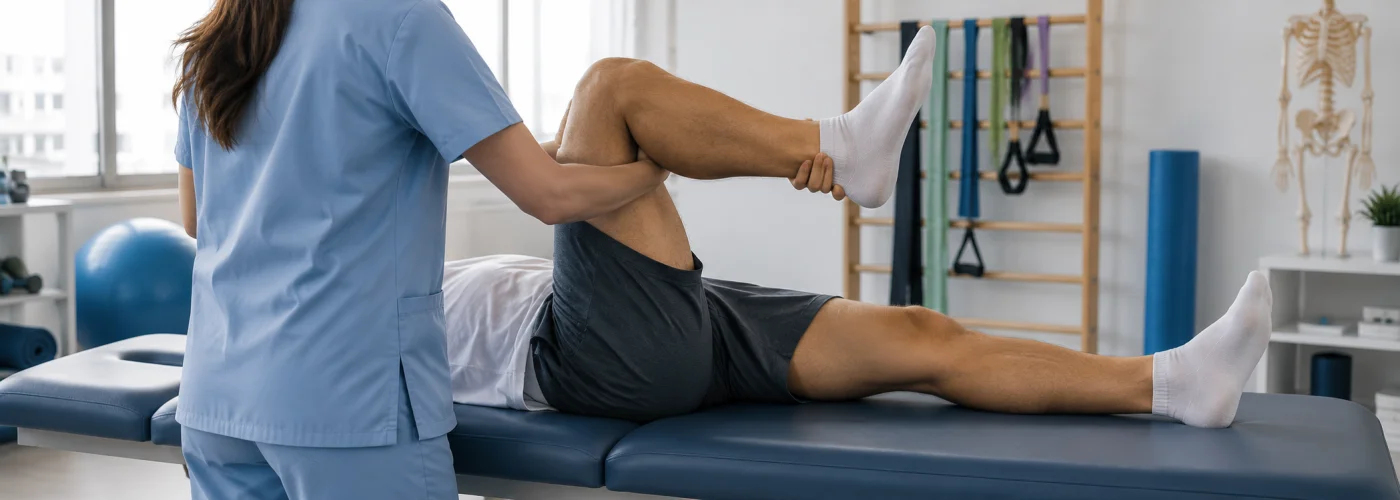
Neurological Rehabilitation
What Is Neurological Rehabilitation?
Neurological rehabilitation is a multidisciplinary treatment approach designed to reduce the physical, functional, and cognitive impairments caused by neurological disorders. The rehabilitation program is planned according to the patient's current functional status, individual needs, and rehabilitation goals.
The treatment program, carried out through the collaboration of a specialist in Physical Medicine and Rehabilitation, physiotherapists, and, when necessary, other healthcare professionals, aims to help patients achieve the highest possible level of independence in their daily activities.
Which Conditions Can Benefit from Neurological Rehabilitation?
Neurological rehabilitation can be applied to a wide range of nervous system disorders.
The most common conditions include:
- Stroke
- Parkinson's disease
- Multiple Sclerosis (MS)
- Spinal cord injuries
- Traumatic brain injuries
- Peripheral nerve injuries
- Facial paralysis
- Functional impairments following brain tumors
- Neuropathies
- Balance and gait disorders
The rehabilitation program is individually planned according to the specific condition and the patient's functional needs.
How Is Neurological Rehabilitation Performed?
The rehabilitation process begins with a comprehensive assessment. Muscle strength, balance, coordination, gait, joint range of motion, and the patient's ability to perform daily activities are carefully evaluated.
The treatment program may include:
- Personalized exercise programs
- Gait training
- Balance and coordination exercises
- Muscle strengthening exercises
- Flexibility and joint range of motion exercises
- Functional rehabilitation
- Posture training
- Rehabilitation for activities of daily living
- Training in the use of assistive devices when necessary
The treatment program is regularly reviewed and updated according to the patient's progress.
What Are the Goals of Neurological Rehabilitation?
The primary goal of neurological rehabilitation is not only to improve muscle strength but also to maximize functional independence and enhance quality of life.
The main objectives of treatment include:
- Improving mobility
- Enhancing balance and coordination
- Maintaining and increasing muscle strength
- Promoting independence in daily living activities
- Reducing the risk of falls
- Managing pain
- Encouraging participation in social life
The Importance of Early Rehabilitation
What Should Be Considered in Daily Life?
Following medical recommendations in daily life is important for maximizing treatment success.
The main recommendations include:
- Following the prescribed exercise program consistently
- Taking precautions to reduce the risk of falls
- Using assistive devices correctly
- Attending regular follow-up appointments with physicians and physiotherapists
- Practicing safe movement during daily activities
- Maintaining healthy nutrition and regular sleep habits