

 >
>
- 1. Joint and Ligament Treatments
- 2. What Are Joint and Ligament Injuries?
- 3. What Are the Symptoms of Joint and Ligament Injuries?
- 4. How Are Joint and Ligament Injuries Diagnosed?
- 5. How Are Joint and Ligament Injuries Treated?
- 6. The Importance of Physical Therapy and Rehabilitation
- 7. What Should Be Considered in Daily Life?
- 8. Frequently Asked Questions
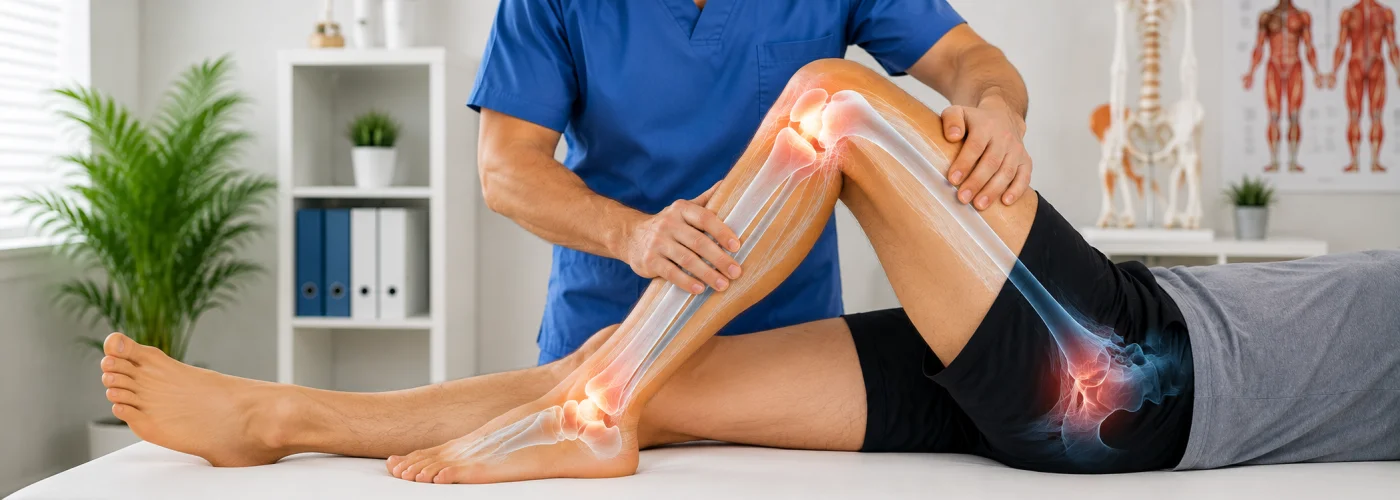
Joint and Ligament Treatments
What Are Joint and Ligament Injuries?
Joint and ligament injuries are soft tissue disorders that can affect the knees, shoulders, ankles, elbows, wrists, and other movable joints. Ligaments may become stretched or sustain partial or complete tears. The muscles, tendons, and joint capsule surrounding the affected joint may also be involved.
Although these injuries are more common among athletes, they can occur in individuals of all age groups.
What Are the Symptoms of Joint and Ligament Injuries?
Symptoms may vary depending on the severity of the injury.
The most common symptoms include:
- Joint pain
- Pain during movement
- Swelling
- Bruising
- Limited range of motion
- A feeling of joint instability
- Loss of strength
- Difficulty performing daily activities
In severe injuries, joint stability may be compromised, requiring professional medical evaluation.
How Are Joint and Ligament Injuries Diagnosed?
A detailed medical history, the mechanism of injury, and a comprehensive physical examination are essential for diagnosis. Joint range of motion, ligament stability, muscle strength, and pain levels are carefully evaluated.
When necessary, the following imaging methods may be used:
- Magnetic Resonance Imaging (MRI)
- Ultrasonography
- Plain X-ray
- Computed Tomography (CT)
These evaluations help determine the severity of the injury and allow for the development of an appropriate treatment plan.
How Are Joint and Ligament Injuries Treated?
The treatment method is determined according to the type and severity of the injury, the patient's age, activity level, and daily functional needs. In most cases, non-surgical treatment methods provide successful outcomes.
Treatment options may include:
- Physical therapy and rehabilitation
- Personalized exercise programs
- Manual therapy
- Techniques to improve joint range of motion
- Muscle strengthening programs
- Balance and coordination exercises
- Physical therapy modalities for pain management
- Rehabilitation for returning to daily activities and sports
When necessary, surgical treatment options may also be considered in collaboration with an orthopedic specialist.
The Importance of Physical Therapy and Rehabilitation
In joint and ligament injuries, physical therapy aims not only to reduce pain but also to restore normal joint function. Improving muscle strength, maintaining joint mobility, and performing balance training contribute to reducing the risk of re-injury.
Treatment programs should be individualized according to each patient's needs and monitored regularly.
What Should Be Considered in Daily Life?
Following lifestyle recommendations during the treatment process positively influences recovery.
The main recommendations include:
- Following the prescribed exercise program consistently
- Avoiding activities that place excessive stress on the joints
- Maintaining a healthy body weight
- Performing warm-up exercises before sports and cool-down exercises afterward
- Wearing appropriate footwear and using suitable sports equipment
- Avoiding sudden and uncontrolled movements
- Attending regular follow-up appointments with your physician and physiotherapist