

 >
>
CONTENTS
- 1. What are Lipodema and Lymphedema?
- 2. How is lipedema treated?
- 3. What methods are used in the treatment of lymphedema?
- 4. What are the differences between lipedema and lymphedema?
- 5. How to Maintain Quality of Life in Lipedema and Lymphedema?
- 6. In what situations should you consult a Physical Medicine and Rehabilitation Specialist?
- 7. Frequently Asked Questions
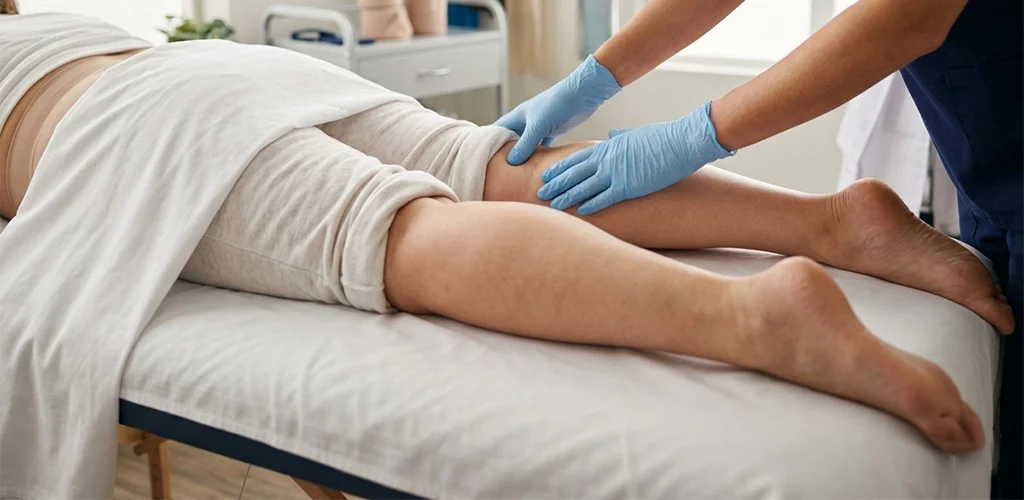
What are Lipodema and Lymphedema?
Lipodema and lymphedema are two distinct chronic conditions that are often confused, affecting the lymphatic system and adipose tissue. Lipodema is characterized by abnormal fat accumulation, usually symmetrical, in the legs and arms, and is more common in women. Lymphedema, on the other hand, results from fluid accumulation in the tissues due to impaired lymphatic fluid circulation and can occur in both sexes. In both cases, early diagnosis and the correct treatment approach are crucial for slowing disease progression and preserving quality of life.
How is lipedema treated?
A multidisciplinary approach is essential in the treatment of lipedema. Conservative treatment methods include manual lymphatic drainage, compression garments, exercise programs, and nutritional counseling. The goal is to reduce pain, control edema, and preserve functional mobility. Surgical options are considered in advanced stages and when conservative treatment is ineffective. The treatment plan is individualized according to the patient's stage, symptoms, and lifestyle.
What methods are used in the treatment of lymphedema?
The cornerstone of lymphedema treatment is Complex Decongestive Physiotherapy (CDP). This method consists of four main components: manual lymphatic drainage, skin care, compression bandaging, and specific exercises. The first phase of treatment involves intensive care, while the second phase transitions to a sustainable home program. Current guidelines recommend early intervention and regular follow-up in lymphedema management.
What are the differences between lipedema and lymphedema?
Lipodema and lymphedema are two conditions that are often confused with each other. In lipedema, the affected areas are symmetrical, painful, and tender on pressure, while in lymphedema, unilateral or asymmetrical involvement is more common. The feet are usually unaffected in lipedema, whereas in lymphedema, the entire extremity, including the feet, is involved. Diagnosis is based on clinical examination, patient history, and imaging methods as needed.
How to Maintain Quality of Life in Lipedema and Lymphedema?
In both cases, the patient's ability to maintain daily living activities and their psychosocial well-being are crucial components of the treatment process. Regular physical activity, weight monitoring, the use of appropriate compression garments, and regular check-ups are cornerstones in disease management. Furthermore, patient education and awareness support long-term success by improving treatment adherence.
In what situations should you consult a Physical Medicine and Rehabilitation Specialist?
It is recommended to consult a physical medicine and rehabilitation specialist if you experience unexplained swelling, pain, fullness, or skin discoloration in your legs and/or arms. Additionally, regular follow-ups for patients with previously diagnosed lipedema or lymphedema are necessary to assess disease progression and update treatment plans.
Frequently Asked Questions
Are lipedema and lymphedema the same disease?
No, lipedema and lymphedema are different pathologies. Lipedema is characterized by symmetrical and painful accumulation of fatty tissue, while lymphedema is fluid accumulation in the tissues due to impaired circulation in the lymphatic system. Both conditions can occur together, but their diagnostic and treatment approaches differ.
Can lipedema and lymphedema be treated?
While there is no cure for either condition, appropriate methods can slow the progression of the disease and control symptoms. Early diagnosis and regular follow-up are the most important factors in increasing treatment success.
How are lipedema and lymphedema diagnosed?
Diagnosis is made through a detailed patient history and clinical examination. The physician evaluates the appearance of the affected areas, their symmetry, skin findings, and the patient's complaints. Advanced investigations such as lymphadenography or magnetic resonance imaging may be used if necessary.
What treatment methods are used for lipedema and lymphedema?
While manual lymphatic drainage, compression therapy, exercise programs, and nutritional counseling are prominent treatments for lipedema, Complex Decongestive Physiotherapy (CDP) is considered the gold standard for lymphedema. The treatment plan is individualized according to the patient's stage, symptoms, and lifestyle.
What should patients with lipedema and lymphedema pay attention to in their daily lives?
Regular exercise, using appropriate compression garments, maintaining weight control, and taking care of skin are important. Additionally, prolonged periods of inactivity should be avoided, and regular medical check-ups should not be neglected.
Treatment of Lipodema and Lymphedema
Online Appointment
Related Articles
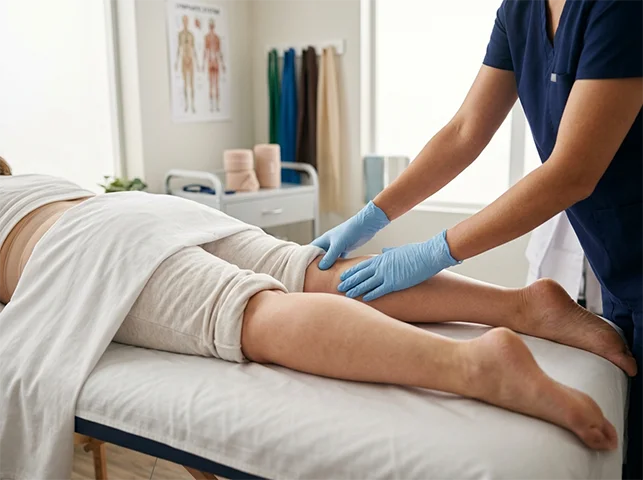
What is the difference between lipedema and lymphedema?
This section provides information about the diagnostic differences, treatment approaches, and correct management methods for these two conditions, which can cause similar symptoms.
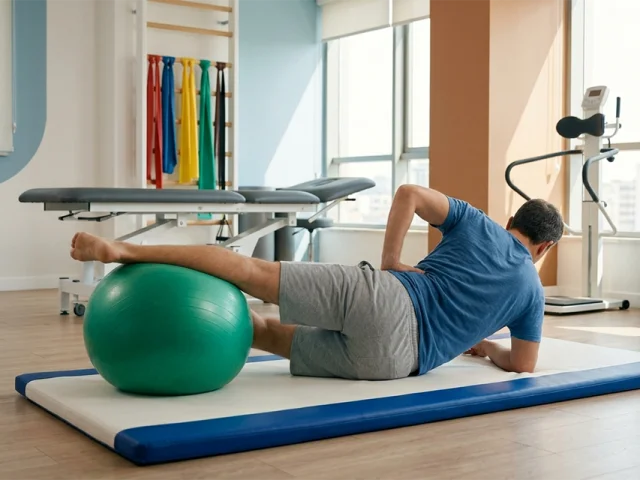
When is physical therapy necessary for back pain?
Underlying causes of back pain, non-surgical options, and situations requiring physical therapy.
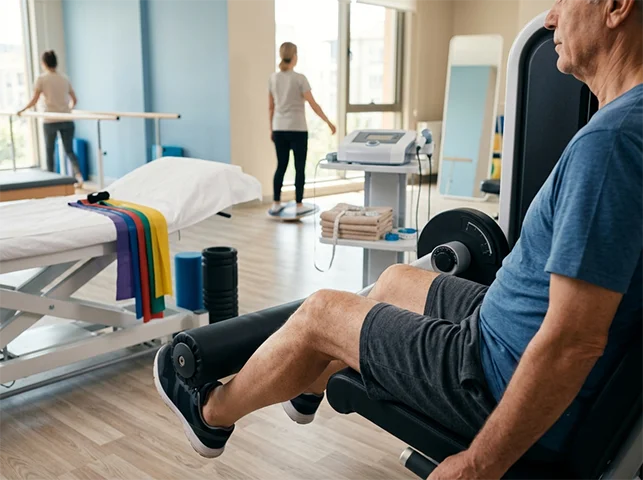
Current Approaches in Osteoarthritis Treatment
Exercise, physical therapy, and lifestyle recommendations for osteoarthritis, a condition characterized by degeneration of joint cartilage.
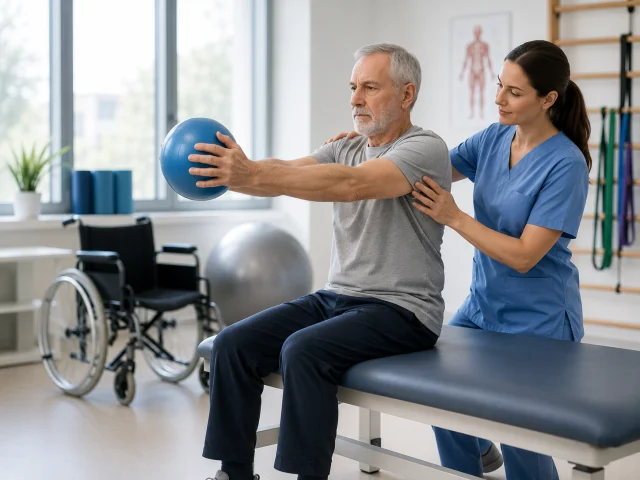
How does the rehabilitation process work after a stroke?
The importance of early rehabilitation and the methods used in regaining motor and sensory functions after stroke.
Other Treatments
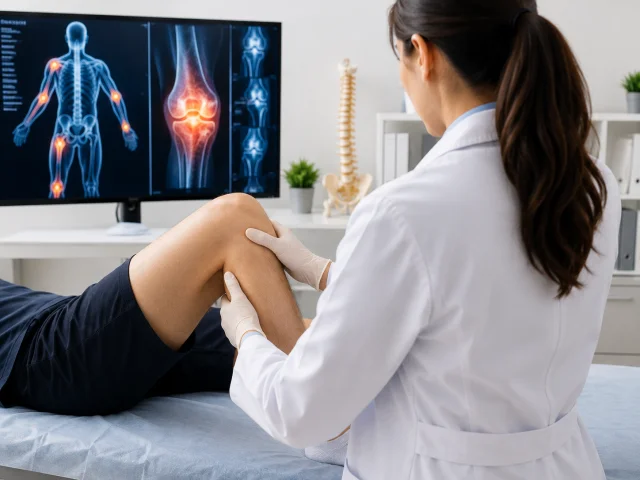
Musculoskeletal Diseases
Musculoskeletal disorders can affect the muscles, bones, joints, ligaments, and tendons, causing pain, limited mobility, and functional impairment. In Adana, Dr. Buliana Çankaya offers personalized assessment, physical therapy, and rehabilitation programs designed to relieve pain, improve mobility, and enhance patients' quality of life.
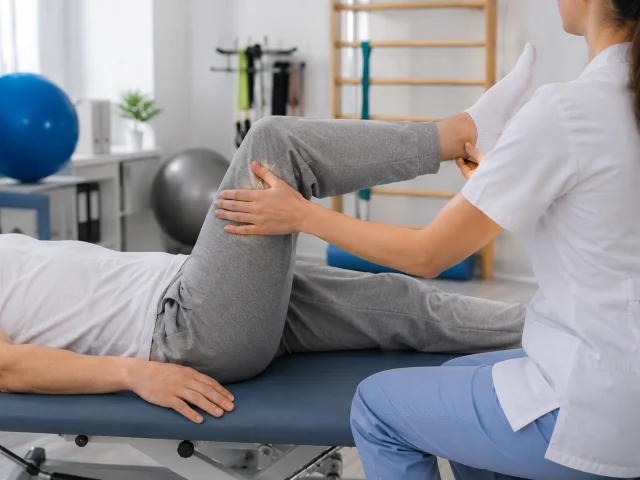
Neurological Rehabilitation
Neurological rehabilitation aims to restore movement, balance, coordination, and functional independence following stroke, Parkinson's disease, Multiple Sclerosis (MS), spinal cord injuries, and other neurological disorders. In Adana, Dr. Buliana Çankaya provides personalized rehabilitation programs designed to improve mobility, enhance independence, and support long-term quality of life.
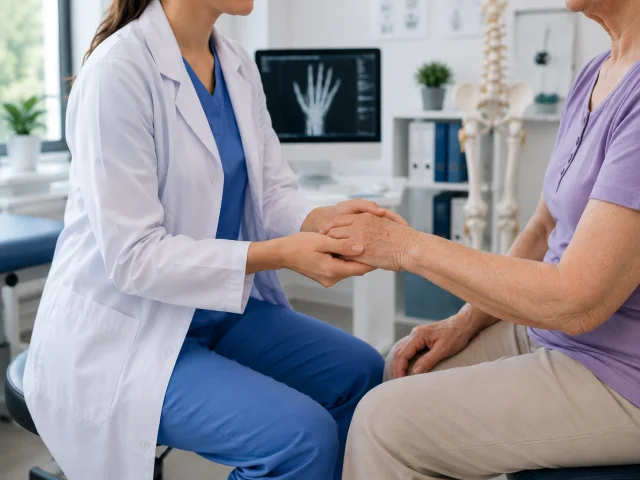
Rheumatic Diseases
Rheumatic diseases can affect the joints, muscles, and connective tissues, causing pain, swelling, stiffness, and limited mobility. In Adana, Dr. Buliana Çankaya offers personalized assessment, physical therapy, and rehabilitation programs designed to relieve pain, preserve joint function, and improve patients' quality of life.
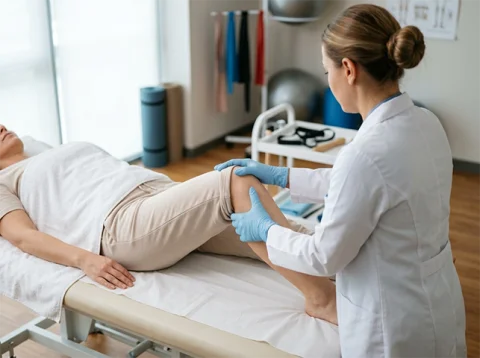
Joint and Ligament Treatments
Joint and ligament injuries may cause pain, swelling, limited mobility, and functional impairment. In Adana, Dr. Buliana Çankaya offers personalized assessment, physical therapy, rehabilitation, and modern treatment approaches to support recovery, improve mobility, and help patients safely return to their daily activities.
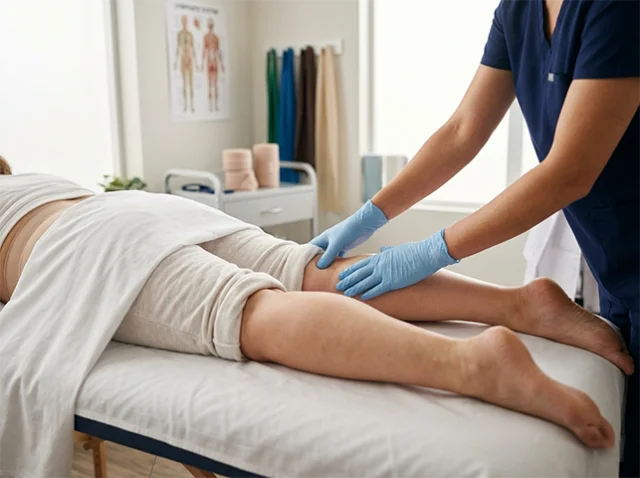
Treatment of Lipodema and Lymphedema
Lipedema and lymphedema are chronic conditions that can cause pain, swelling, and limited mobility. In Adana, Dr. Buliana Çankaya offers personalized assessment, physical therapy, rehabilitation, and modern treatment approaches to help reduce symptoms and improve patients' quality of life.
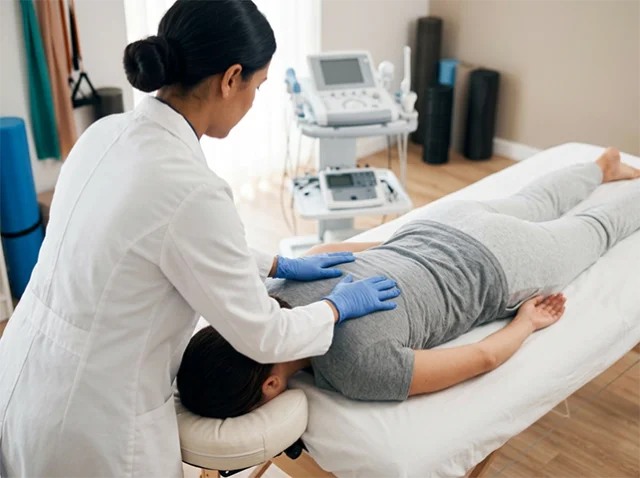
Non-Surgical Pain Treatments
Non-surgical pain treatments are designed to manage lower back, neck, joint, and musculoskeletal pain without the need for surgery. In Adana, Dr. Buliana Çankaya offers personalized physical therapy, rehabilitation, and interventional pain management approaches to help relieve pain, improve mobility, and enhance patients' quality of life.