
Lymphedema (Elephantiasis) Treatment in Adana | Dr. Buliana Çankaya

Lymphedema (Elephantiasis) Treatment

Lymphedema is a chronic condition that occurs when the lymphatic system cannot properly transport lymph fluid, causing it to accumulate in the body's tissues. Commonly referred to as Elephantiasis, lymphedema can lead to swelling, a feeling of heaviness, restricted mobility, and a significant decline in quality of life, particularly in the arms and legs. With early diagnosis and appropriate treatment, disease progression can be slowed and symptoms can be effectively managed.

What Is Lymphedema (Elephantiasis)?

Lymphedema is a chronic circulatory disorder caused by the accumulation of lymph fluid in the tissues due to impaired lymphatic drainage. It may be congenital (primary lymphedema) or develop after cancer surgery, radiation therapy, trauma, infections, or the removal of lymph nodes (secondary lymphedema). If left untreated, it may lead to skin thickening, tissue hardening, and an increased risk of infection over time.

What Are the Symptoms of Lymphedema?

The symptoms of lymphedema may vary depending on the stage of the disease. The most common symptoms include:

  • Swelling in one or both arms or legs
  • A feeling of heaviness and tightness
  • Skin thickening and hardening
  • Limited range of motion
  • Shoes, rings, or clothing becoming tighter than usual
  • Recurrent skin infections
  • Swelling that worsens toward the end of the day

Symptoms may be mild in the early stages but can progressively worsen and interfere with daily activities if left untreated.

How Is Lymphedema Treated?

The primary goals of lymphedema treatment are to reduce swelling, improve lymphatic circulation, minimize the risk of infection, and enhance the patient's quality of life. The treatment plan is individualized according to the stage of the disease and the patient's specific needs.

Treatment options include:

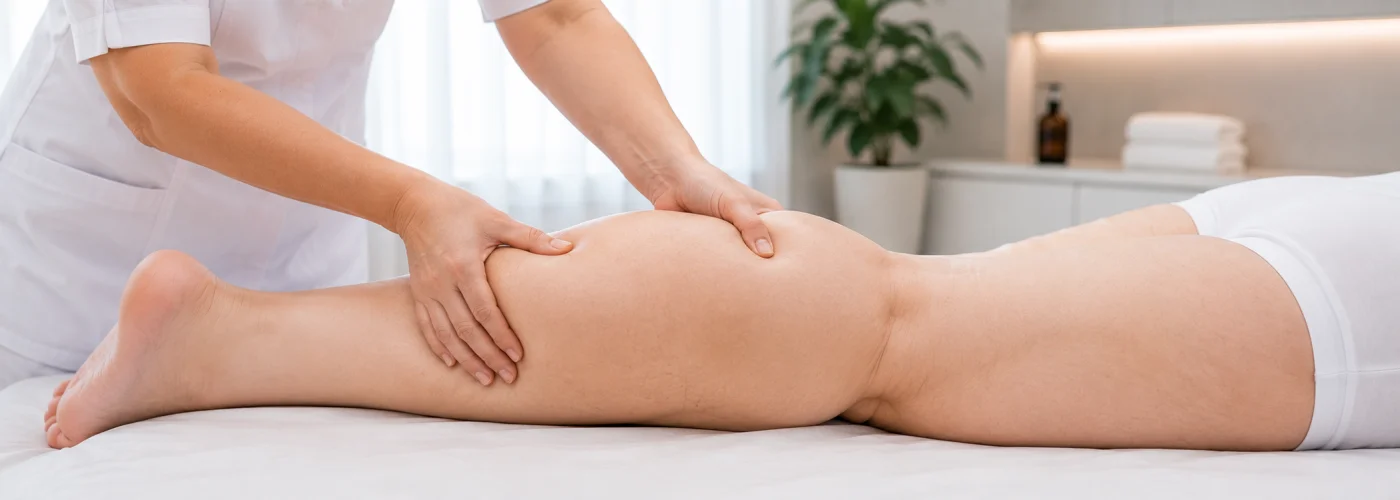
  • Manual Lymphatic Drainage (MLD)
  • Complete Decongestive Therapy (CDT)
  • Compression bandaging
  • Compression garments, such as sleeves or stockings
  • Specialized exercise programs for lymphedema
  • Skin care and infection prevention measures
  • Patient education and regular follow-up

Combining these treatment methods provides the most effective long-term control of lymphedema.

What Is Complete Decongestive Therapy (CDT)?

Complete Decongestive Therapy (CDT) is considered the gold standard in the treatment of lymphedema. The treatment consists of four essential components:

  • Manual lymphatic drainage
  • Compression therapy
  • Skin care
  • Lymphedema-specific exercise

The first phase focuses on intensive treatment to reduce swelling, while the second phase involves a maintenance program that patients continue at home to preserve treatment outcomes.

Why Is Early Diagnosis Important in Lymphedema?

Because lymphedema is a progressive condition, treatment initiated in the early stages produces significantly better results. Consulting a specialist in Physical Medicine and Rehabilitation as soon as symptoms appear can help prevent permanent tissue changes and improve long-term outcomes.

What Should Patients with Lymphedema Pay Attention to in Daily Life?

The success of treatment depends not only on clinical interventions but also on the patient's daily lifestyle habits.

Patients with lymphedema are advised to:

  • Maintain a healthy body weight
  • Exercise regularly
  • Wear compression garments consistently
  • Take proper care of their skin
  • Avoid prolonged inactivity
  • Avoid tight-fitting clothing
  • Attend regular medical follow-up appointments

Frequently Asked Questions

Lymphedema is a chronic condition, and there is currently no definitive cure. However, with appropriate treatment, swelling can be effectively controlled, and patients' quality of life can be significantly improved.
Lymphedema may be congenital or develop after breast cancer surgery, radiation therapy, trauma, infections, or the removal of lymph nodes.
No. Lymphedema is not a contagious disease. It cannot be transmitted from one person to another and is not considered an infectious condition.
Yes. Manual Lymphatic Drainage (MLD) is a specialized therapeutic technique that differs from traditional massage. It should only be performed by healthcare professionals who have received specialized training. Not all massage techniques are appropriate for patients with lymphedema.
The duration of compression garment use varies depending on the stage of the disease and the severity of the swelling. Wearing compression garments consistently for the period recommended by your physician and physiotherapist is essential for successful treatment.
Yes. Since lymphedema is a chronic condition, swelling may return if regular follow-up appointments are not maintained or if preventive measures are not followed. Lifelong management and ongoing preventive care are therefore essential.
Yes. Exercises such as walking, swimming, Pilates, and lymphedema-specific exercise programs performed under professional supervision can improve lymphatic circulation and help control swelling. However, excessively strenuous activities should be avoided.
This website uses cookies
We use cookies on our website to enhance the quality of our service. For more details, please review our Cookie Policy.
More Options
Reject All
Allow Selected
Accept All