

 >
>
- 1. Non-Surgical Pain Treatments
- 2. What Are Non-Surgical Pain Treatments?
- 3. Which Conditions Can Be Treated?
- 4. Which Methods Are Used in Non-Surgical Pain Treatment?
- 5. What Are the Advantages of Non-Surgical Treatment?
- 6. How Is the Treatment Process Planned?
- 7. The Importance of Physical Therapy and Rehabilitation
- 8. What Should Be Considered in Daily Life?
- 9. Frequently Asked Questions
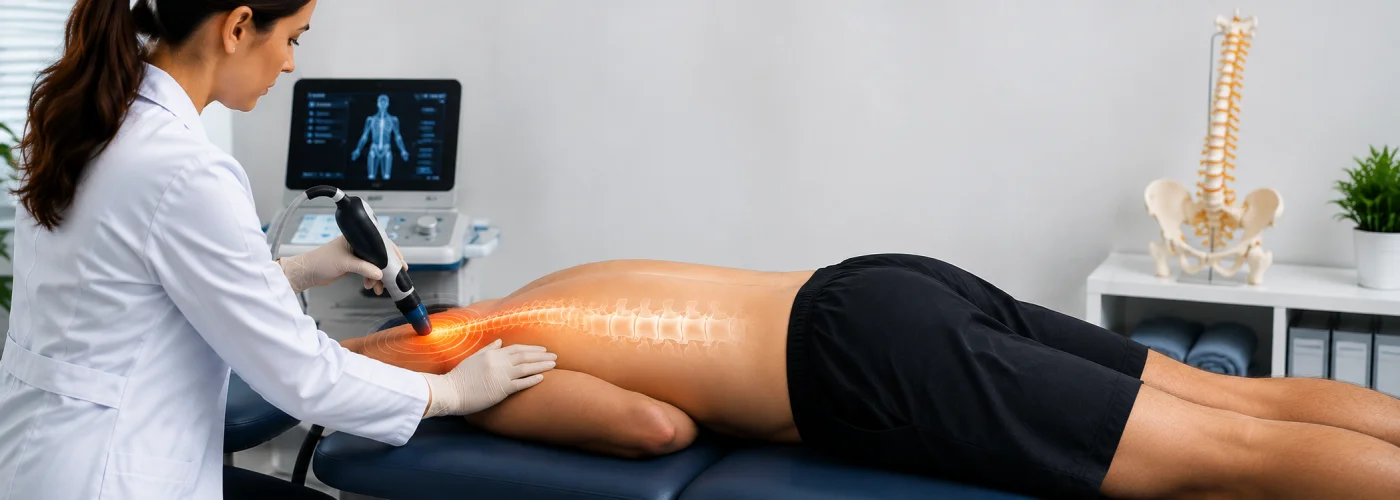
Non-Surgical Pain Treatments
What Are Non-Surgical Pain Treatments?
Non-surgical pain treatments include conservative and interventional treatment methods designed to address the underlying cause of pain without the need for surgery. The primary goals are not only to relieve pain but also to improve mobility, facilitate daily activities, and enhance overall quality of life.
Each treatment plan is individually tailored according to the patient's symptoms, clinical findings, and lifestyle.
Which Conditions Can Be Treated?
Non-surgical pain treatments can be used for a wide range of musculoskeletal and nervous system disorders.
The most common conditions include:
- Lumbar disc herniation
- Cervical disc herniation
- Spinal stenosis
- Sciatica
- Shoulder pain
- Frozen shoulder
- Knee osteoarthritis
- Hip pain
- Elbow tendinopathies
- Tennis Elbow and Golfer's Elbow
- Plantar fasciitis
- Heel spur
- Muscle and ligament injuries
- Chronic neck and lower back pain
- Myofascial pain syndrome
The most appropriate treatment method is determined individually after a comprehensive medical evaluation.
Which Methods Are Used in Non-Surgical Pain Treatment?
Different treatment methods may be combined depending on the type and severity of the condition.
Treatment options may include:
- Physical therapy and rehabilitation
- Personalized exercise programs
- Manual therapy
- Ultrasound-guided interventional injections
- Targeted injection therapies
- Compression and supportive treatments
- Posture and spinal education
- Lifestyle modifications
- Interventional pain management procedures
The goal of treatment is to address the underlying cause of pain while promoting long-term functional recovery.
What Are the Advantages of Non-Surgical Treatment?
When appropriate patients are selected, non-surgical treatments can offer several important advantages.
These include:
- Treatment without the need for surgery
- Faster return to daily activities
- Improved mobility
- Effective pain control
- Personalized treatment planning
- Long-term treatment success through rehabilitation
How Is the Treatment Process Planned?
Before treatment, a detailed medical history is obtained, and a comprehensive physical examination is performed. When necessary, imaging studies such as Magnetic Resonance Imaging (MRI), ultrasonography, Computed Tomography (CT), or other diagnostic methods are used.
Once the diagnosis has been confirmed, an individualized treatment plan is created and monitored through regular follow-up visits.
The Importance of Physical Therapy and Rehabilitation
What Should Be Considered in Daily Life?
To maximize treatment success, patients are encouraged to adopt healthy daily habits.
The main recommendations include:
- Exercising regularly
- Maintaining a healthy body weight
- Avoiding prolonged inactivity
- Practicing proper posture
- Lifting heavy objects using correct body mechanics
- Following the recommendations of physicians and physiotherapists
- Attending regular follow-up appointments