
 >
>
What Are Herniated Disc and Cervical Disc Herniation? Symptoms, Diagnosis, and Non-Surgical Treatment Options
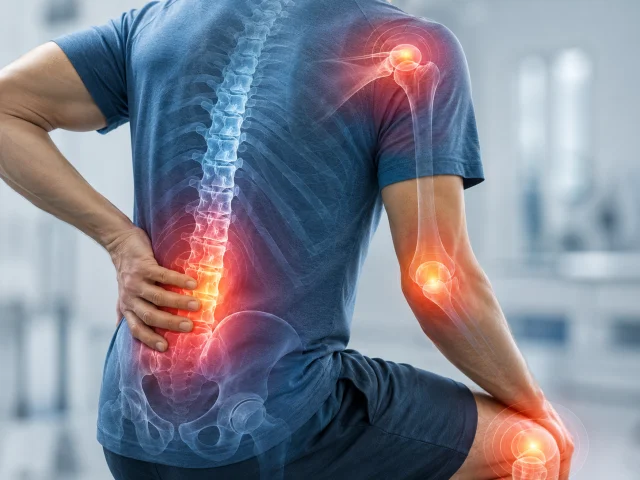
Lumbar disc herniation (herniated disc) and cervical disc herniation are common musculoskeletal conditions that occur when the intervertebral discs deteriorate and place pressure on nearby nerve roots. Depending on the affected area, patients may experience pain, numbness, tingling, or muscle weakness in the lower back, neck, shoulders, arms, hips, or legs.
Following a comprehensive evaluation by Dr. Buliana Çankaya, a personalized treatment plan is created based on the patient's symptoms, physical examination findings, and imaging studies when necessary. In this article, you can find detailed information about the symptoms, diagnosis, and non-surgical treatment options for lumbar and cervical disc herniation.
What Are Lumbar and Cervical Disc Herniation?
The discs located between the vertebrae act as cushions that support spinal movement and absorb mechanical stress. Over time, aging, repetitive strain, heavy lifting, poor posture, or traumatic injuries may cause these discs to weaken. When the inner portion of the disc protrudes through the outer layer, it can compress nearby nerve roots, resulting in lumbar or cervical disc herniation.
Risk Factors for Lumbar and Cervical Disc Herniation
- Prolonged sitting or desk work
- Heavy lifting
- Poor posture habits
- Excess body weight
- Advancing age
- Sedentary lifestyle
What Are the Symptoms of a Herniated Disc?
The symptoms of a lumbar disc herniation vary depending on the severity of nerve compression. While some patients experience only lower back pain, others may develop pain radiating into the buttocks and legs.
Symptoms of a Herniated Disc
- Lower back pain
- Pain radiating to the hip and leg (sciatica)
- Numbness in the leg
- Muscle weakness
- Increased pain during movement
- Difficulty sitting for long periods
What Are the Symptoms of Cervical Disc Herniation?
When a cervical disc herniation compresses the nerve roots, symptoms may extend from the neck to the shoulders, arms, and hands.
Symptoms of Cervical Disc Herniation
- Neck pain
- Pain radiating to the shoulder
- Numbness in the arm
- Tingling in the hands
- Muscle weakness in the arm
- Restricted neck movement
How Are Lumbar and Cervical Disc Herniation Diagnosed?
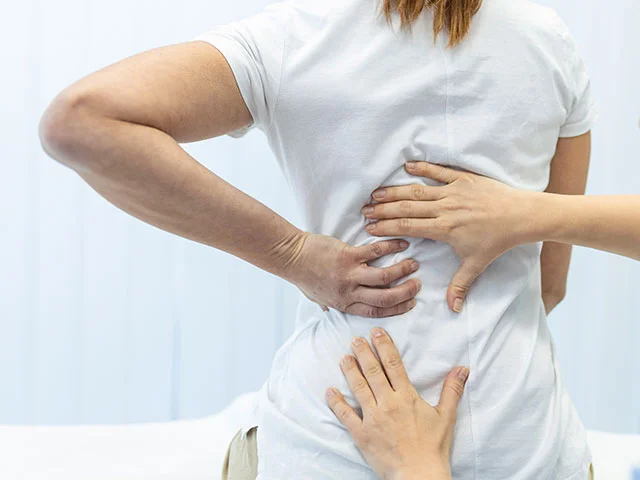
The diagnostic process begins with a detailed review of the patient's symptoms and medical history. A physical examination is performed, and imaging studies such as magnetic resonance imaging (MRI) may be recommended when clinically indicated.
Evaluation Process
- Detailed medical history
- Comprehensive physical examination
- Neurological assessment
- MRI evaluation when necessary
Can Lumbar and Cervical Disc Herniation Be Treated Without Surgery?
Many patients experience symptom relief with non-surgical treatment options. The treatment plan is individualized based on the patient's condition, pain severity, and its impact on daily life.
Non-Surgical Treatment Options
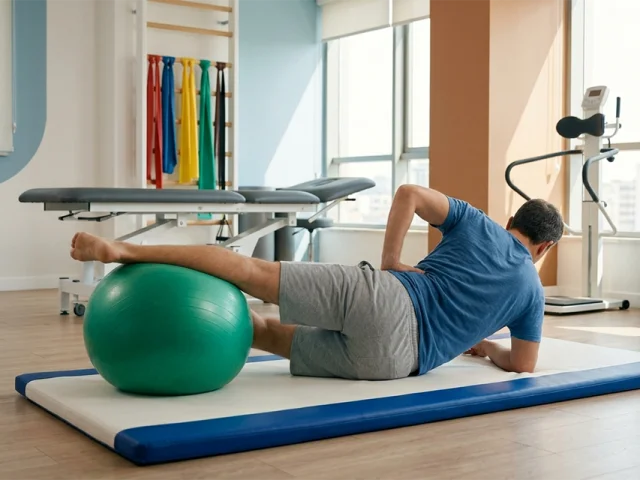
- Physical therapy
- Personalized exercise programs
- Manual therapy
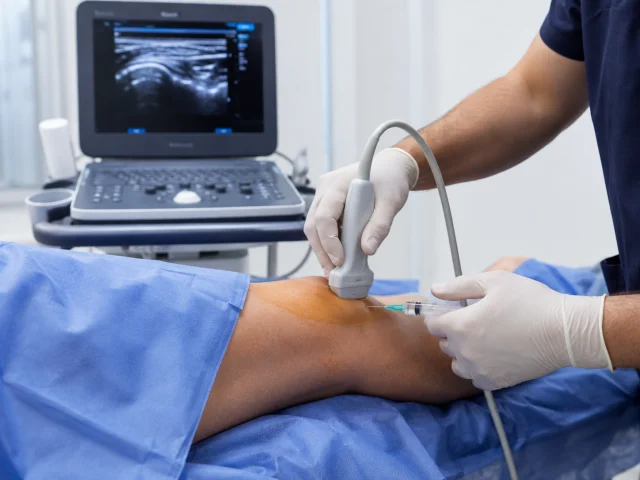
- Ultrasound-guided interventional injections
- Pain management approaches
Interventional Treatments for Lumbar and Cervical Disc Herniation
In selected patients, ultrasound-guided interventional injection therapies may be recommended. Ultrasound guidance allows precise visualization of the target area, helping deliver the injection accurately.
The most appropriate treatment option is determined after a thorough evaluation by a qualified physician.
The Importance of Physical Therapy for Lumbar and Cervical Disc Herniation
Physical therapy aims to reduce pain, strengthen supporting muscles, improve spinal mobility, and enhance overall quality of life.
Goals of Physical Therapy
- Help reduce pain
- Improve muscle strength
- Increase flexibility
- Support spinal function
- Help reduce the risk of recurrent symptoms
When Should You See a Doctor?
You should seek medical evaluation if you experience persistent neck or lower back pain, pain radiating to the arms or legs, numbness, tingling, or muscle weakness. Early diagnosis may improve treatment outcomes.
Frequently Asked Questions About Lumbar and Cervical Disc Herniation
Does every herniated disc require surgery?
No. Many patients achieve significant improvement with conservative, non-surgical treatment methods. The decision for surgery depends on the individual's clinical condition.
Can a herniated disc heal on its own?
Some patients may experience symptom improvement with appropriate treatment, exercise, and lifestyle modifications. However, an accurate diagnosis should always be made by a healthcare professional.
Can cervical disc herniation cause headaches?
Yes. In some cases, cervical disc herniation may contribute to headaches due to muscle tension and nerve irritation.
Can I exercise if I have a herniated disc?
Exercise programs should be planned individually after a professional evaluation. Not every exercise is suitable for every patient.
Lumbar and Cervical Disc Herniation Evaluation in Adana
During the lumbar and cervical disc herniation evaluation in Adana, the patient's symptoms are carefully assessed to develop a personalized treatment plan.
Dr. Buliana Çankaya provides individualized care through non-surgical pain management, physical therapy, and interventional treatment options. For more information, please contact our clinic via the contact page.
Conclusion
Lumbar and cervical disc herniation are common spinal disorders that can often be successfully managed with early diagnosis and personalized treatment. Appropriate medical evaluation is essential to reduce symptoms and improve quality of life.
If you would like to learn more about lumbar and cervical disc herniation treatment in Adana, schedule a consultation with Dr. Buliana Çankaya to discuss the most appropriate evaluation and treatment options for your condition.