
 >
>
What Are the Stages of Lipedema? Understanding Stages 1, 2, 3, and 4
Lipedema is a chronic condition characterized by the symmetrical accumulation of fatty tissue, primarily affecting the legs and, in some cases, the arms. The condition may progress over time and is classified into different stages. Identifying the stage of lipedema is important for developing an individualized treatment plan.
Following a comprehensive evaluation by Dr. Buliana Çankaya, the stage of the condition, the patient's symptoms, and overall health status are assessed to create a personalized treatment approach. In this article, you will find detailed information about the stages of lipedema, their symptoms, and the treatment process.
Why Is Determining the Stage of Lipedema Important?
Lipedema is a progressive condition. Early recognition is important for appropriate follow-up and treatment planning. The stage of the disease is determined by evaluating the severity of symptoms, changes in fatty tissue, and its impact on daily life.
During Stage Assessment
- The condition of the skin is evaluated.
- Changes in fatty tissue are examined.
- Pain and tenderness are assessed.
- Mobility is evaluated.
- Swelling and tissue firmness may be examined.
Stage 1 Lipedema
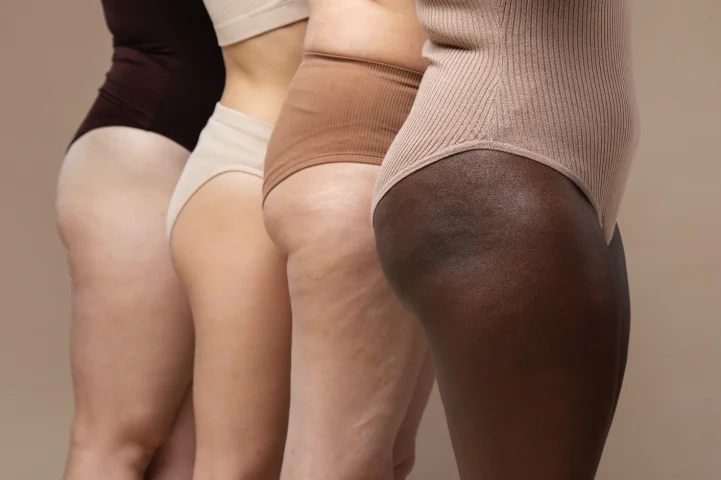
In the first stage of lipedema, the skin surface is generally smooth. However, the accumulation of fatty tissue beneath the skin has already begun. Patients may experience heaviness in the legs, tenderness, and a tendency to bruise easily.
Symptoms of Stage 1
- The skin surface is generally smooth.
- Symmetrical fat accumulation may be observed.
- Tenderness in the legs may occur.
- Easy bruising may be present.
- Mild pain may be experienced.
Stage 2 Lipedema
During the second stage, fatty tissue becomes more pronounced. The skin surface may develop irregularities, and nodular structures may be felt beneath the skin. Pain and tenderness may become more noticeable than in the previous stage.
Symptoms of Stage 2
- Irregularities may appear on the skin surface.
- Nodular fatty tissue may be noticeable.
- Pain and tenderness may increase.
- A feeling of heaviness in the legs may become more pronounced.
- Symptoms may worsen after prolonged standing.
Stage 3 Lipedema
In the third stage, fatty tissue enlargement becomes more significant. As tissue volume increases, mobility may become more limited. Skin irregularities may become more visible, and daily activities can be affected.
Symptoms of Stage 3
- Noticeable tissue enlargement may occur.
- Skin irregularities may become more apparent.
- Reduced mobility may develop.
- Daily activities may become more difficult.
- Pain may increase.
Stage 4 Lipedema (Lipo-Lymphedema)
In advanced stages, some patients may also develop lymphedema in addition to lipedema. This condition is referred to as lipo-lymphedema. At this stage, swelling may become more pronounced due to impaired lymphatic circulation.
Not every patient with advanced lipedema develops lymphedema. A definitive evaluation should always be performed by a qualified physician.
Characteristics of Stage 4
- Signs of lymphedema may be present.
- Swelling may become more significant.
- Mobility may decrease.
- Quality of life may be affected.
- Regular follow-up becomes increasingly important.
How Is the Stage of Lipedema Determined?
The stage of lipedema is determined not only through a physical examination but also by considering the patient's symptoms, clinical findings, and a comprehensive medical evaluation.
Dr. Buliana Çankaya evaluates each patient's condition individually and develops a personalized treatment plan.
Evaluation Process
- A detailed medical history is obtained.
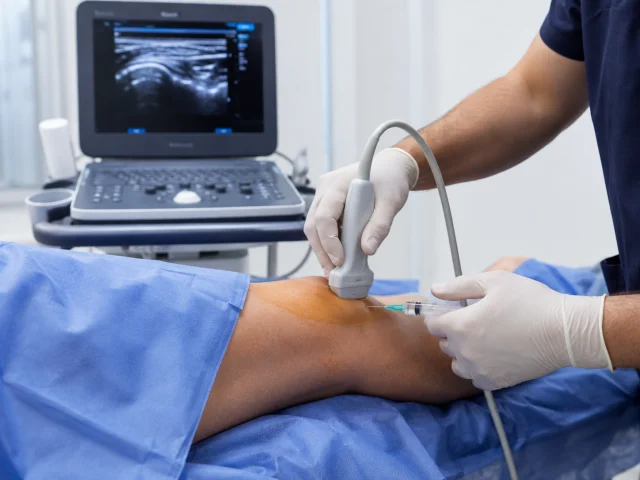
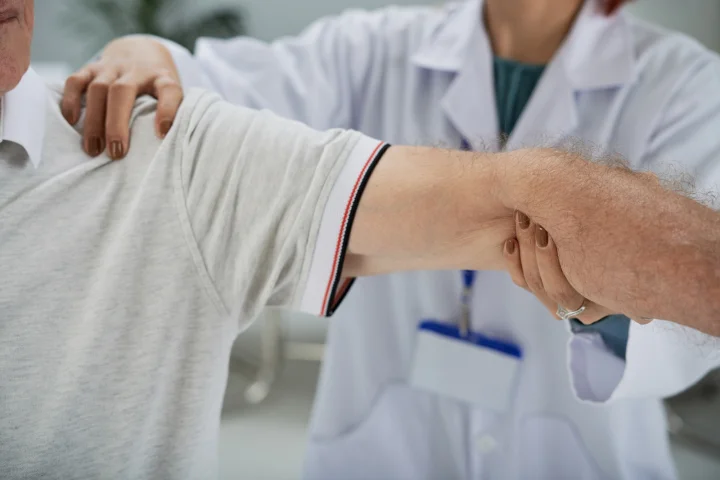
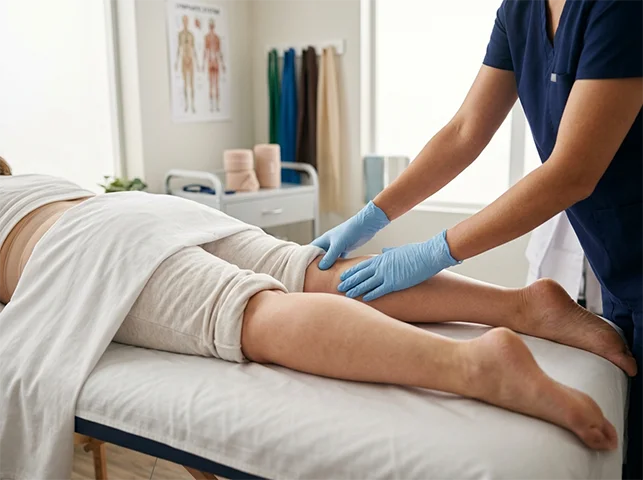
- A physical examination is performed.
- The stage of the condition is assessed.
- Additional diagnostic tests may be recommended if necessary.
Does Lipedema Treatment Vary According to the Stage?
Yes. The stage of lipedema is one of the key factors considered when planning treatment. However, age, overall health, pain level, quality of life, and the patient's individual expectations are also taken into account.
Treatment Planning Includes
- Assessment of the disease stage.
- Evaluation of symptom severity.
- A personalized treatment approach.
- Regular follow-up planning.
- Consideration of lifestyle recommendations.
When Should You Consult a Doctor?
If you experience symmetrical enlargement of the legs, easy bruising, tenderness, pain, or persistent localized fat accumulation despite diet and exercise, it is recommended to seek evaluation by a qualified healthcare professional. Early assessment may contribute to appropriate treatment planning.
Frequently Asked Questions About the Stages of Lipedema
Does every patient with lipedema progress to advanced stages?
No. The progression of lipedema varies from person to person. Regular follow-up and appropriate treatment planning are important.
Can I determine my lipedema stage at home?
No. A definitive diagnosis and staging should only be made by a qualified physician. Information found online should not replace professional medical evaluation.
Does pain increase as the stage progresses?
In some patients, pain and tenderness may increase over time. However, symptom severity varies between individuals.
Does lipedema turn into lymphedema?
In advanced stages, some patients may develop lipo-lymphedema due to involvement of the lymphatic system. However, this does not occur in every patient.
Lipedema Evaluation in Adana
For patients seeking lipedema treatment in Adana, accurately determining the stage of the disease is one of the most important steps in treatment planning.
Dr. Buliana Çankaya provides comprehensive evaluations for individuals with suspected lipedema and develops personalized treatment plans based on each patient's needs. For more information, please contact our clinic through our Contact page.
Conclusion
The stages of lipedema play an important role in understanding the progression of the condition and planning appropriate treatment. Early evaluation by an experienced physician helps establish a personalized treatment strategy and long-term follow-up plan.
If you would like more information about lipedema evaluation and treatment in Adana, you can schedule a consultation with Dr. Buliana Çankaya to discuss the most appropriate diagnostic and treatment options for your individual needs.