
 >
>
What Are Rheumatic Diseases? Symptoms, Causes, and Treatment Options
Rheumatic diseases are a broad group of conditions that can affect the joints, muscles, bones, tendons, ligaments, and connective tissues. They may cause symptoms such as joint pain, swelling, limited mobility, morning stiffness, and musculoskeletal pain.
Following a comprehensive evaluation by Dr. Buliana Çankaya, MD, the patient's symptoms, physical examination findings, and necessary diagnostic tests are assessed together to develop an individualized treatment plan. In this article, you can find information about the symptoms, causes, diagnostic process, and treatment approaches for rheumatic diseases.
What Is a Rheumatic Disease?
Rheumatic diseases include a wide range of conditions that can affect the joints, muscles, bones, tendons, ligaments, and connective tissues of the musculoskeletal system. While some rheumatic diseases primarily affect specific joints, others may involve multiple areas of the body or different organ systems.
The symptoms and course of rheumatic diseases may vary depending on the specific condition. Therefore, persistent or recurrent muscle and joint symptoms should be evaluated by a specialist.
What Are the Common Rheumatic Diseases?
Rheumatic diseases encompass a broad range of conditions, from degenerative joint disorders to inflammatory diseases associated with the immune system.
Common Rheumatic Diseases
- Osteoarthritis (joint degeneration)
- Rheumatoid arthritis
- Ankylosing spondylitis
- Psoriatic arthritis
- Fibromyalgia
- Gout
- Osteoporosis
- Tendinitis and tendon disorders
- Bursitis
- Connective tissue diseases
What Are the Symptoms of Rheumatic Diseases?
Symptoms of rheumatic diseases may vary depending on the specific condition and the areas affected. In some patients, symptoms may occur periodically, while in others they may persist for longer periods.
Common Symptoms
- Joint pain
- Joint swelling
- Limited joint movement
- Morning stiffness
- Muscle pain
- Tenderness
- Increased warmth around the joints
- Fatigue
- Pain during movement
- Back and lower back pain
What Causes Rheumatic Diseases?
There may not be a single cause of rheumatic diseases. Genetic predisposition, age, immune system-related mechanisms, degenerative changes in the joints, and environmental factors may contribute to the development of different conditions.
Risk Factors
- Genetic predisposition
- Age-related changes
- Repetitive stress on the joints and musculoskeletal system
- Previous joint injuries
- Inactive lifestyle
- Being overweight
- Certain infections
- Immune system-related factors
How Are Rheumatic Diseases Diagnosed?
The diagnosis of rheumatic diseases begins with a detailed evaluation of the patient's symptoms and medical history. Following a physical examination, blood tests and imaging methods may be used when clinically necessary.
Diagnostic Evaluation May Include
- Detailed medical history
- Physical examination
- Assessment of joint range of motion
- Evaluation of muscle and joint tenderness
- Blood tests when necessary
- Imaging methods such as X-ray, ultrasound, or MRI
- Consultation with other medical specialties when appropriate
How Are Rheumatic Diseases Treated?
The treatment approach for rheumatic diseases varies depending on the type of disease, severity of symptoms, affected areas, and the patient's overall health.
Through personalized treatment planning, the patient's current symptoms and functional status are evaluated to determine appropriate treatment options.
Treatment Approaches
- Physical therapy
- Personalized exercise programs
- Manual therapy techniques
- Pain management
- Interventional procedures for joints and soft tissues
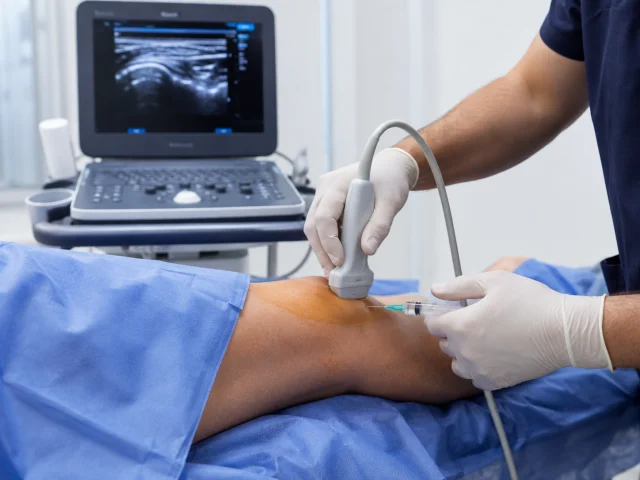
- Ultrasound-guided interventional injections
- Recommendations for adapting daily activities
Depending on the specific disease, medication or other medical treatments may also be evaluated by the appropriate specialist.
The Importance of Physical Therapy in Rheumatic Diseases
Physical therapy may help appropriate patients manage pain and limited mobility, support muscle strength, and maintain joint function.
Goals of Physical Therapy
- Helping reduce pain
- Supporting joint range of motion
- Improving muscle strength
- Helping improve flexibility
- Supporting daily activities
- Helping maintain functional mobility
Can You Exercise with a Rheumatic Disease?
For appropriate patients, regular and controlled exercise may be part of the treatment and rehabilitation process. Exercise programs should be planned according to the type of disease, the individual's physical capacity, and current symptoms.
Especially during periods of active pain, joint swelling, or limited mobility, the type and intensity of exercise should be determined according to specialist recommendations.
Interventional Treatments for Rheumatic Diseases
For some rheumatic diseases, interventional treatment options may be considered to help manage pain originating from joints, tendons, ligaments, or soft tissues in appropriate patients.
During ultrasound-guided interventional injections, the target anatomical area is visualized to help guide the procedure toward the appropriate region.
Interventional Treatment Options
- Intra-articular injection procedures
- Periarticular injections
- Procedures targeting tendons and ligaments
- Interventional procedures for soft tissues
- Ultrasound-guided interventional treatments
Whether an interventional treatment is appropriate and which technique should be used are determined following a clinical evaluation.
Nutrition and Daily Life with Rheumatic Diseases
Healthy lifestyle habits may help support musculoskeletal health. Regular physical activity, maintaining an appropriate body weight, and a balanced diet are important for overall health.
Individuals with rheumatic diseases should plan their daily activities and exercise programs according to their specific condition and medical recommendations.
Can Rheumatic Diseases Be Completely Cured?
The course and response to treatment vary depending on the type of rheumatic disease. For some conditions, the goal may be to control symptoms and maintain function, while others may require long-term follow-up and treatment.
Early evaluation and appropriate treatment planning are important for managing the condition and supporting quality of life.
When Should You See a Doctor?
People experiencing persistent or recurrent joint pain, joint swelling, morning stiffness, limited mobility, or unexplained musculoskeletal pain should consider seeking specialist evaluation.
If symptoms significantly interfere with daily activities or become progressively worse, timely medical evaluation is important.
Frequently Asked Questions About Rheumatic Diseases
What is a rheumatic disease?
Rheumatic diseases are a broad group of conditions that can affect the joints, muscles, bones, tendons, ligaments, and connective tissues. Symptoms and treatment approaches vary depending on the specific disease.
What are the most common symptoms of rheumatic diseases?
Joint pain, joint swelling, morning stiffness, limited mobility, muscle pain, and tenderness are among the commonly reported symptoms.
Can rheumatic diseases be treated with physical therapy?
Depending on the type of disease and the patient's clinical condition, physical therapy and rehabilitation may be included as part of the treatment plan. The program should be personalized according to the individual's needs.
Can you exercise with a rheumatic disease?
Controlled exercise may be recommended for appropriate patients. However, the exercise program should be planned by a specialist according to the type of disease and the patient's current condition.
Can injection treatments be used for rheumatic diseases?
In some patients, interventional injections may be considered to help manage pain originating from joints, tendons, ligaments, or soft tissues. The appropriate treatment method is determined following a clinical evaluation.
Do rheumatic diseases only affect older people?
No. Rheumatic diseases can occur at different ages. The typical age of onset and risk factors vary depending on the specific condition.
Rheumatic Disease Treatment in Adana
During the evaluation of rheumatic diseases in Adana, the patient's symptoms, physical examination findings, and necessary diagnostic tests are assessed together to develop an individualized treatment approach.
Dr. Buliana Çankaya, MD evaluates patients with musculoskeletal pain through physical therapy, pain management, and appropriate ultrasound-guided interventional treatment options. For more information, please contact our clinic through the Contact page.
Conclusion
Rheumatic diseases encompass a broad group of conditions that can affect the joints, muscles, bones, tendons, ligaments, and connective tissues. Proper evaluation of symptoms and identification of the underlying condition are important for developing an appropriate treatment plan.
Personalized physical therapy, exercise, pain management, and appropriate interventional treatment options may help reduce symptoms and support physical function in suitable patients.
If you would like to learn more about rheumatic disease treatment in Adana, you can consult Dr. Buliana Çankaya, MD to learn more about the evaluation and treatment options suitable for your condition.