
 >
>
What Are Musculoskeletal Disorders? Symptoms and Treatment Options
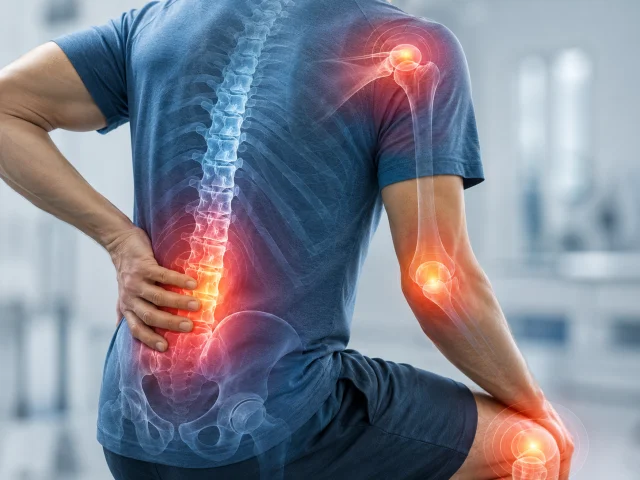
Musculoskeletal disorders refer to a broad group of conditions that can affect the bones, joints, muscles, tendons, ligaments, and surrounding tissues. These conditions may cause symptoms such as pain, limited mobility, muscle weakness, joint stiffness, and difficulty performing daily activities.
Following a comprehensive evaluation by Dr. Buliana Çankaya, MD, the patient's symptoms, physical examination findings, and any necessary imaging studies are evaluated together to develop an individualized treatment plan. In this article, you can find information about the types, symptoms, causes, diagnostic process, and treatment options for musculoskeletal disorders.
What Is the Musculoskeletal System?
The musculoskeletal system consists of bones, muscles, joints, tendons, ligaments, and other supporting tissues that enable the body to move, maintain balance, and perform daily activities.
Injuries, wear and tear, inflammation, or structural changes affecting any of these tissues may lead to musculoskeletal disorders. The cause and severity of symptoms may vary from person to person.
What Are Musculoskeletal Disorders?
Musculoskeletal disorders include a wide range of conditions. While some primarily affect the joints, others may originate from muscles, tendons, ligaments, or the spine.
Common Musculoskeletal Disorders
- Low back and neck pain
- Lumbar and cervical disc herniation
- Spinal stenosis
- Osteoarthritis and joint degeneration
- Tendon and ligament injuries
- Muscle injuries
- Shoulder problems
- Knee and hip joint disorders
- Hand and wrist conditions
- Foot and ankle problems
- Rheumatic musculoskeletal disorders
What Are the Symptoms of Musculoskeletal Disorders?
Symptoms vary depending on the type of condition, the affected area, and the severity of the disorder. Some symptoms may be temporary, while others can persist and affect daily life.
Common Symptoms
- Muscle and joint pain
- Pain during movement
- Joint stiffness
- Limited range of motion
- Muscle weakness
- Swelling around the joints
- Tenderness
- Numbness and tingling
- Muscle tension
- Balance and movement problems
What Causes Musculoskeletal Disorders?
Many factors can contribute to the development of musculoskeletal disorders, including age, genetic factors, physical activity levels, injuries, and daily lifestyle habits.
Main Causes and Risk Factors
- Age-related changes
- Physical trauma
- Sports injuries
- Overuse and repetitive movements
- Inactive lifestyle
- Muscle weakness
- Being overweight
- Poor posture and non-ergonomic working conditions
- Degenerative changes in the joints and spine
- Certain rheumatic and systemic diseases
How Are Musculoskeletal Disorders Diagnosed?
The diagnostic process begins with a detailed evaluation of the patient's symptoms and medical history. Following a physical examination, imaging and laboratory tests may be used when clinically necessary.
Diagnostic Evaluation May Include
- Detailed medical history
- Physical examination
- Assessment of joint range of motion and muscle strength
- Neurological evaluation when necessary
- Imaging methods such as X-ray, MRI, or ultrasound when clinically indicated
- Laboratory tests depending on the characteristics of the condition
How Are Musculoskeletal Disorders Treated?
The treatment approach varies depending on the cause of the condition, the affected area, the severity of symptoms, and their impact on the patient's daily life. The same treatment method may not be appropriate for every patient.
As part of personalized treatment planning, the patient's condition is evaluated and appropriate treatment options are determined according to individual needs.
Treatment Options
- Physical therapy
- Personalized exercise programs
- Manual therapy techniques
- Pain management approaches
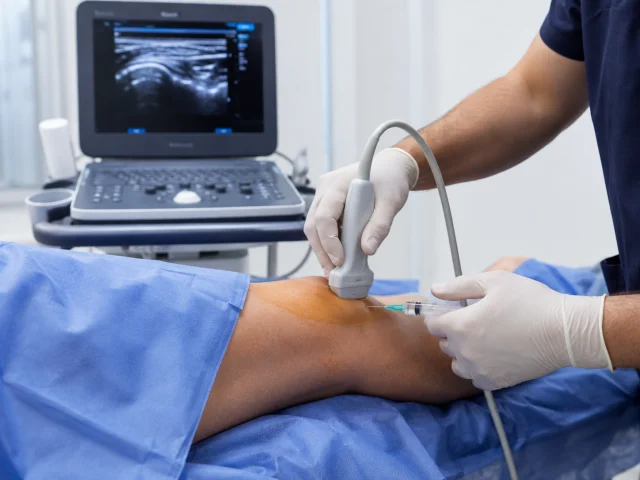
- Ultrasound-guided interventional injections
- Interventional spine treatments
- Functional rehabilitation programs
The Importance of Physical Therapy in Musculoskeletal Disorders
Physical therapy may be considered as part of the treatment plan for many musculoskeletal conditions. Treatment is tailored according to the patient's condition and functional needs.
Goals of Physical Therapy
- Helping reduce pain
- Supporting joint range of motion
- Improving muscle strength
- Helping improve flexibility
- Supporting balance and coordination
- Helping patients perform daily activities more comfortably
Can You Exercise If You Have a Musculoskeletal Disorder?
Exercise may be an important part of treatment and rehabilitation for appropriate patients. However, an exercise program should be planned according to the type of condition and the individual's physical status.
Particularly when severe pain, limited mobility, or a recent injury is present, an appropriate medical evaluation is recommended before starting an exercise program.
Interventional Treatments for Musculoskeletal Disorders
For certain musculoskeletal conditions, interventional treatment options may be considered in appropriate patients. These procedures may be included in the treatment plan for selected joint, tendon, ligament, soft tissue, and spine-related pain conditions.
During interventional procedures performed under ultrasound or other appropriate imaging guidance, the target anatomical area can be visualized and the procedure can be guided toward the intended region.
Interventional Treatment Options That May Be Considered
- Ultrasound-guided interventional injections
- Intra-articular and periarticular procedures
- Interventional procedures targeting tendons and ligaments
- Interventional spine treatments for appropriate patients
- Interventional procedures for pain management
The most appropriate method is determined following a comprehensive evaluation of the patient.
Can Musculoskeletal Disorders Be Treated Without Surgery?
Depending on the type and severity of the condition, non-surgical treatment options may be considered for many musculoskeletal disorders. Physical therapy, exercise, manual therapy, pain management, and interventional procedures for appropriate patients may be included in the treatment plan.
However, whether non-surgical treatment is appropriate should be determined by evaluating the patient's diagnosis, physical examination findings, and relevant imaging results together.
What Should You Consider in Daily Life?
Daily habits can affect musculoskeletal health. Staying in the same position for extended periods, poor posture, insufficient physical activity, and repetitive movements may contribute to or aggravate certain symptoms.
General Recommendations for Daily Life
- Avoid staying in the same position for extended periods
- Maintain an ergonomic work environment
- Maintain regular and appropriate physical activity
- Use proper techniques when lifting heavy objects
- Try to maintain a healthy body weight
- Follow an exercise program appropriate for your condition
When Should You See a Doctor?
Medical evaluation is recommended for persistent muscle or joint pain, limited mobility, recurrent swelling, significant weakness, numbness, or symptoms that develop following an injury.
Prompt medical evaluation is particularly important in cases of sudden weakness, significant movement limitations following serious trauma, or symptoms that substantially interfere with daily activities.
Frequently Asked Questions About Musculoskeletal Disorders
What are musculoskeletal disorders?
Musculoskeletal disorders include a wide range of conditions affecting the bones, joints, muscles, tendons, ligaments, and spinal structures. Back and neck problems, joint disorders, tendon and ligament injuries, muscle conditions, and rheumatic diseases may be included in this group.
What causes muscle and joint pain?
Muscle and joint pain can have many different causes. Trauma, overuse, degenerative changes, muscle weakness, poor posture, and certain rheumatic conditions may contribute to pain.
Can musculoskeletal disorders be treated with physical therapy?
Depending on the type of condition and the patient's clinical status, physical therapy may be included as part of the treatment plan. The program should be personalized according to the patient's individual needs.
Do musculoskeletal disorders always require surgery?
No. Not every musculoskeletal disorder requires surgery. Depending on the type and severity of the condition, non-surgical treatment options may be considered. Whether surgery is necessary should be determined following a specialist evaluation.
Can ultrasound-guided injections be used for musculoskeletal disorders?
Ultrasound-guided interventional injections may be considered as a treatment option for appropriate patients. The suitability of the procedure and the technique used are determined according to the patient's clinical evaluation.
Which doctor should I see for a musculoskeletal disorder?
Depending on the source of the symptoms, evaluation by a specialist in physical medicine and rehabilitation, orthopedics, rheumatology, or another relevant medical specialty may be appropriate. A detailed assessment of the patient's symptoms can help establish an appropriate treatment plan.
Musculoskeletal Disorder Treatment in Adana
During the evaluation of musculoskeletal disorders in Adana, the patient's symptoms, physical examination findings, and relevant imaging results are assessed together to develop an individualized treatment approach.
Dr. Buliana Çankaya, MD evaluates patients through non-surgical pain management, physical therapy, interventional treatments, and personalized rehabilitation approaches. For more information, please contact our clinic through the Contact page.
Conclusion
Musculoskeletal disorders encompass a broad group of conditions that can affect daily life. Identifying the underlying cause of symptoms such as pain, limited mobility, and functional impairment is important for developing an appropriate treatment plan.
Depending on the patient's needs, personalized physical therapy, exercise, pain management, and appropriate interventional treatment options may be considered as part of an individualized approach.
If you would like to learn more about musculoskeletal disorder treatment in Adana, you can consult Dr. Buliana Çankaya, MD to learn more about the evaluation and treatment options suitable for your condition.