
 >
>
What Is Orthopedic and Sports Rehabilitation? Applications, Treatment Process, and Exercises
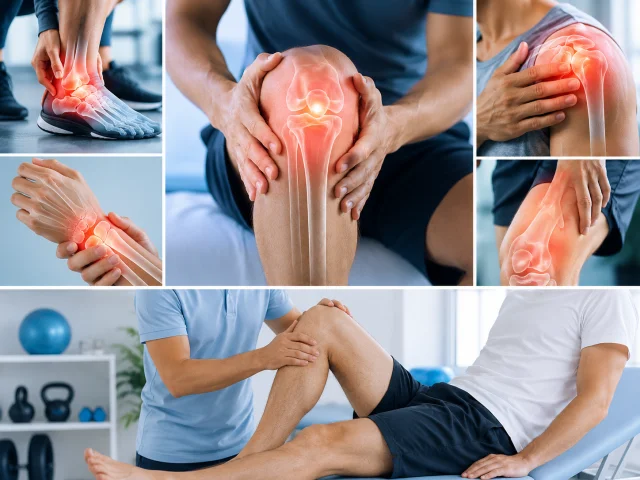
Orthopedic and sports rehabilitation encompasses evaluation and treatment approaches designed to support the recovery of movement and function following injuries or conditions affecting the muscles, bones, joints, tendons, and ligaments, as well as to support a safe return to daily activities and sports.
Following a comprehensive evaluation by Dr. Buliana Çankaya, MD, the patient's symptoms, physical examination findings, functional status, and relevant imaging results are assessed together to develop an individualized rehabilitation plan. In this article, you can find information about orthopedic and sports rehabilitation, its applications, the treatment process, and exercise planning.
What Is Orthopedic Rehabilitation?
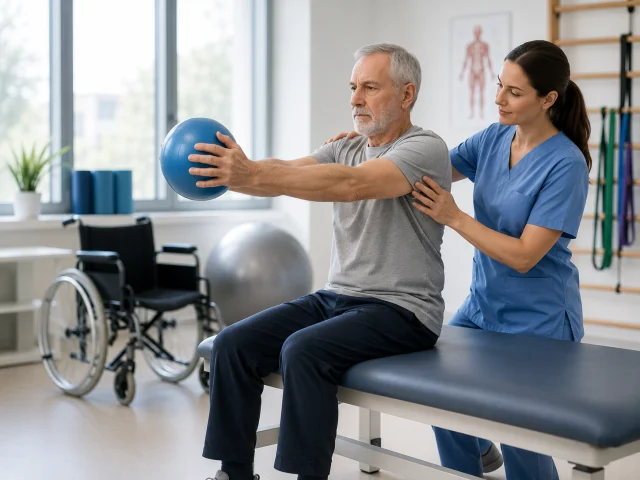
Orthopedic rehabilitation is a rehabilitation approach designed to support movement and function following musculoskeletal injuries, joint problems, tendon and ligament conditions, fractures, and certain surgical procedures.
The content of a rehabilitation program may vary depending on the individual's age, overall health, type of injury, functional capacity, and daily activity requirements.
What Is Sports Rehabilitation?
Sports rehabilitation is a rehabilitation process designed to support a safe and controlled return to physical activity following injuries involving muscles, tendons, ligaments, joints, or bones during sports.
Sports rehabilitation can be beneficial not only for professional athletes but also for people who participate in sports regularly. The program can be tailored according to the individual's sport and specific physical requirements.
When Is Orthopedic and Sports Rehabilitation Used?
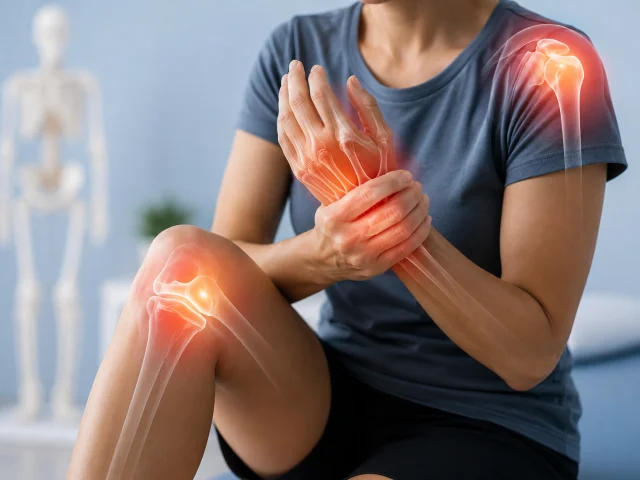
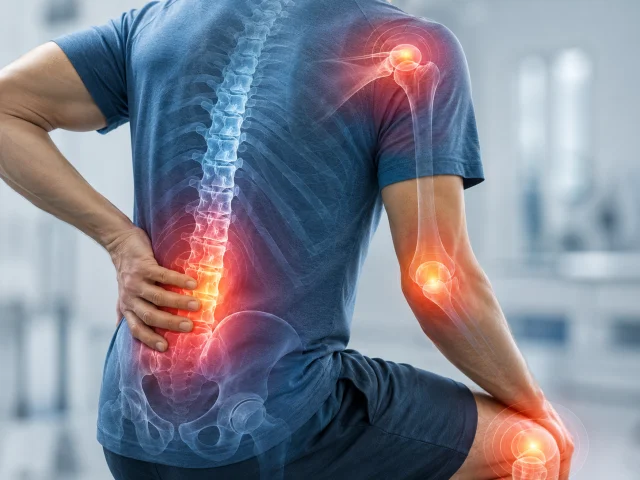
Rehabilitation programs may be considered for a variety of musculoskeletal conditions and injuries. The appropriate program is determined according to the patient's diagnosis and functional status.
Main Applications
- Muscle injuries
- Tendon injuries
- Ligament injuries
- Joint injuries
- Sports injuries
- Post-fracture rehabilitation
- Postoperative rehabilitation
- Knee problems
- Shoulder injuries
- Ankle injuries
- Elbow and wrist problems
- Musculoskeletal conditions affecting the hip and surrounding areas
What Are the Most Common Sports Injuries?
Sports injuries may vary depending on the type of sport, training intensity, physical preparation, and the mechanism of injury.
Common Sports Injuries
- Muscle strains
- Muscle tears
- Ligament injuries
- Tendon injuries
- Sprains
- Joint injuries
- Meniscus problems
- Shoulder injuries
- Ankle injuries
What Are the Goals of Orthopedic Rehabilitation?
The primary goal of orthopedic rehabilitation is to evaluate the individual's current functional status and develop a rehabilitation program based on their specific needs.
Main Goals of Rehabilitation
- Helping reduce pain
- Supporting joint range of motion
- Improving muscle strength
- Helping improve flexibility
- Improving balance and coordination
- Supporting daily activities
- Supporting a controlled return to physical activity
What Are the Goals of Sports Rehabilitation?
In sports rehabilitation, the goal is not only to help reduce pain but also to assess and support the physical capabilities required for the athlete's specific activity.
Goals of Sports Rehabilitation
- Supporting muscle strength
- Improving joint mobility
- Improving balance and coordination
- Supporting flexibility
- Improving movement control
- Reintroducing sport-specific movements
- Supporting a gradual return to physical activity
How Is Orthopedic and Sports Rehabilitation Planned?
Before beginning a rehabilitation program, the patient's or athlete's condition is evaluated in detail. The type of injury, pain level, joint range of motion, muscle strength, balance, and functional capacity are considered when developing the program.
Evaluation Process
- The patient's or athlete's medical history is reviewed.
- A physical examination is performed.
- Pain and movement limitations are assessed.
- Joint range of motion is evaluated.
- Muscle strength is assessed.
- Balance and coordination are evaluated.
- Relevant imaging results are reviewed when necessary.
- Personalized rehabilitation goals are established.
What Treatments Are Used in Orthopedic Rehabilitation?
The treatments used in a rehabilitation program are determined according to the individual's condition and treatment goals. The same treatment approach may not be necessary or appropriate for every patient.
Rehabilitation Applications
- Personalized exercise programs
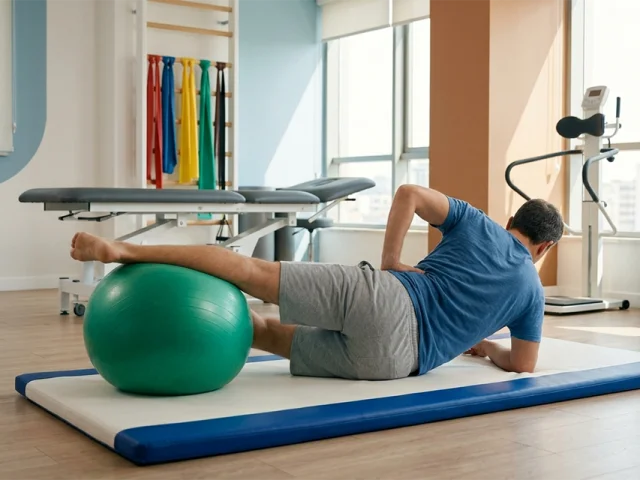
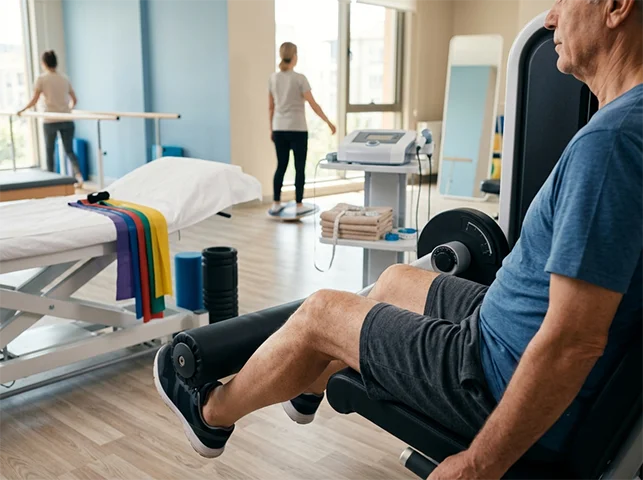
- Muscle strengthening exercises
- Joint range-of-motion exercises
- Flexibility and stretching exercises
- Balance and coordination exercises
- Functional exercises
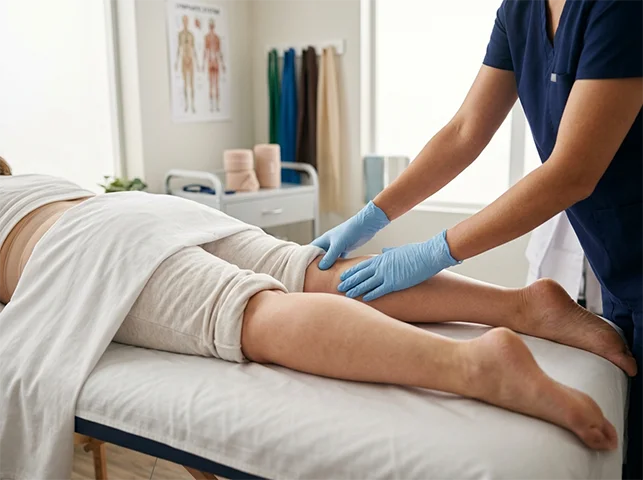
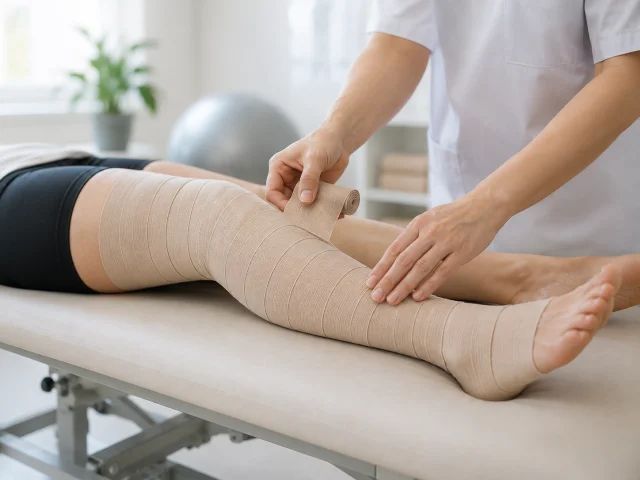
- Manual therapy techniques
- Physical therapy approaches for pain management
Rehabilitation After a Sports Injury
The rehabilitation process following a sports injury varies depending on the type and severity of the injury. The goal is to evaluate the individual's current functional status and support a controlled return to physical activity.
General Rehabilitation Stages
- Assessment of the injury
- Supporting the management of pain and swelling
- Maintaining or improving joint range of motion
- Supporting the restoration of muscle strength
- Balance and coordination exercises
- Development of functional movements
- Transition to sport-specific exercises
- Gradual return to physical activity
Why Is Exercise Important in Sports Rehabilitation?
Exercise is an important component of sports rehabilitation. Individually planned exercises may help support muscle strength, movement control, balance, and coordination.
The type, intensity, and progression of exercises should be determined according to the individual's injury and functional status. Particularly during the early stages of an injury, uncontrolled or excessive exercise may not be appropriate.
Postoperative Orthopedic Rehabilitation
Following certain orthopedic surgical procedures, rehabilitation may be important for supporting the recovery of functional capacity. The rehabilitation program is planned according to the type of surgery, the recovery process, and the patient's current condition.
Postoperative Rehabilitation May Include
- Supporting joint range of motion
- Restoring muscle strength
- Supporting balance and coordination
- Relearning functional movements
- Supporting a return to daily activities
Postoperative exercise and physical therapy programs should be planned according to the recommendations and evaluation of the treating physician.
Interventional Treatments in Orthopedic and Sports Rehabilitation
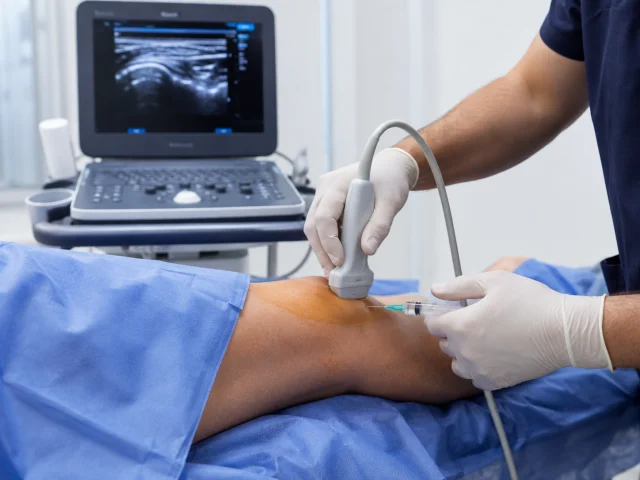
In some patients, interventional treatment options may be considered in addition to rehabilitation. In selected joint, tendon, ligament, and soft tissue conditions, ultrasound-guided interventional procedures may form part of the treatment plan when clinically appropriate.
Whether an interventional treatment is necessary and which method should be used are determined following a comprehensive clinical evaluation.
When Should Rehabilitation Begin?
The appropriate time to begin rehabilitation varies depending on the type and severity of the injury and the individual's overall condition. In some cases, controlled movement and rehabilitation may be initiated at an early stage, while other conditions may require a certain period of healing first.
Therefore, the appropriate time to begin rehabilitation and the intensity of exercises should be determined following a specialist evaluation.
When Can You Return to Sports?
The time required to return to sports varies depending on the type of injury, the recovery process, and the athlete's functional status. A reduction in pain alone may not be sufficient to determine readiness to return to sports.
Muscle strength, joint mobility, balance, coordination, and sport-specific movements are important factors when planning a controlled return to activity.
When Should You See a Doctor?
Following an injury during sports or physical activity, medical evaluation is recommended if there is severe pain, significant swelling, limited movement, a feeling of joint instability, inability to bear weight, or significant weakness.
Medical evaluation is also important if symptoms persist after an injury or significantly interfere with daily activities.
Frequently Asked Questions About Orthopedic and Sports Rehabilitation
Is sports rehabilitation only for professional athletes?
No. Amateur athletes and individuals who participate in physical activities regularly may also benefit from rehabilitation programs tailored to their needs.
Is physical therapy necessary after a sports injury?
The same treatment approach is not necessary for every injury. Depending on the type and severity of the injury, physical therapy and rehabilitation may be considered.
When can I start exercising after a sports injury?
The appropriate time to begin exercising varies depending on the type of injury and the individual's clinical condition. An appropriate exercise program should be determined following a specialist evaluation.
How long does orthopedic rehabilitation take?
The duration of rehabilitation varies depending on the type and severity of the injury or condition, the individual's overall health, and their response to treatment.
Is rehabilitation necessary after orthopedic surgery?
Following certain orthopedic procedures, rehabilitation may form part of the treatment plan to support movement and muscle strength. The program should be planned according to the type of surgery and the patient's condition.
What exercises are used in sports rehabilitation?
Exercises vary according to the athlete's injury, sport, and physical requirements. Muscle strengthening, flexibility, balance, coordination, movement control, and sport-specific functional exercises may be included in the program.
Orthopedic and Sports Rehabilitation in Adana
For orthopedic and sports rehabilitation in Adana, the patient's or athlete's symptoms, physical condition, functional capacity, and relevant imaging results are evaluated to develop an individualized rehabilitation plan.
Dr. Buliana Çankaya, MD evaluates physical therapy, rehabilitation, and appropriate interventional treatment options for patients with musculoskeletal conditions, sports injuries, and orthopedic problems. For more information, please contact our clinic through the Contact page.
Conclusion
Orthopedic and sports rehabilitation encompasses rehabilitation approaches designed to support movement and function following injuries or conditions, improve muscle strength, and facilitate a controlled return to daily or sporting activities.
Since every patient and athlete has different needs, rehabilitation programs should be individually planned. Following an appropriate evaluation, physical therapy, exercise, manual therapy, and, when necessary, interventional treatment options may be considered together.
If you would like to learn more about orthopedic and sports rehabilitation in Adana, you can consult Dr. Buliana Çankaya, MD to learn more about the evaluation and rehabilitation options suitable for your condition.