
 >
>
What Are Joint and Ligament Treatments? Symptoms, Causes, and Treatment Methods
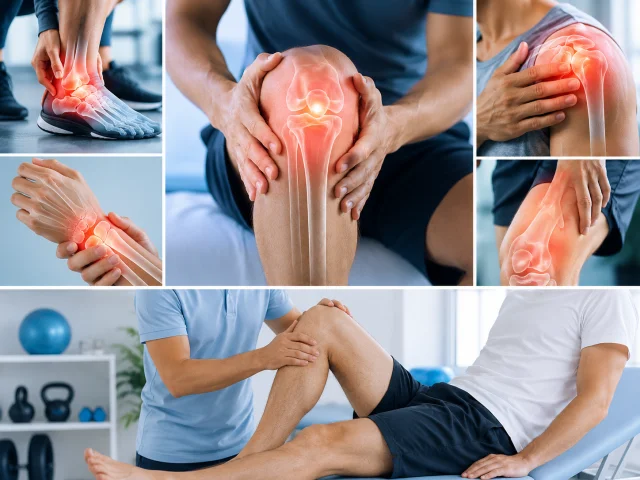
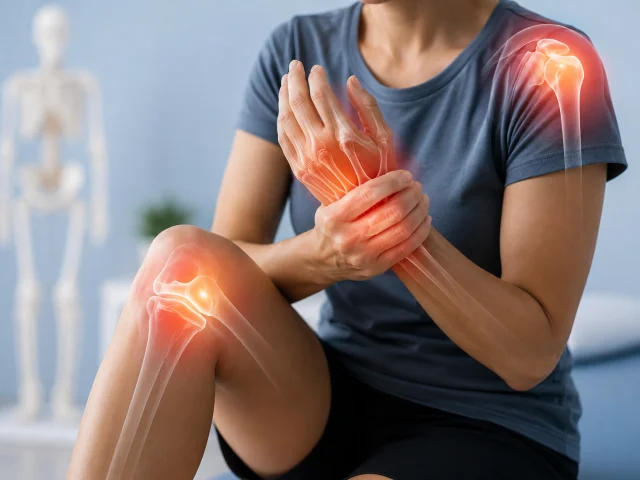
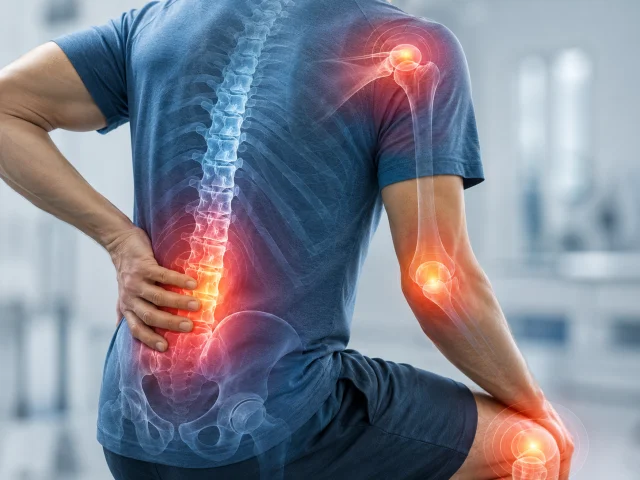
Joint and ligament problems are among the musculoskeletal conditions that may cause pain, swelling, limited mobility, and reduced joint function in daily life. Sports injuries, trauma, repetitive strain, age-related changes, and certain joint conditions may affect the ligaments and joint structures.
Following a comprehensive evaluation by Dr. Buliana Çankaya, MD, the patient's symptoms, physical examination findings, and necessary imaging methods are evaluated together to develop a personalized treatment plan. In this article, you can find information about the symptoms and causes of joint and ligament problems, the diagnostic process, non-surgical treatment options, and interventional treatment methods.
What Are Joint and Ligament Problems?
A joint is an anatomical structure where two or more bones come together to allow movement. Ligaments are strong connective tissue structures that connect bones to each other and contribute to joint stability.
Injuries and structural changes affecting the joints or ligaments may cause pain, swelling, limited mobility, and a feeling of instability in the joint. The treatment approach is determined according to the underlying problem, its severity, and the individual's daily activity requirements.
What Are Common Joint and Ligament Problems?
There are many different conditions that can affect the joints and ligaments. Some problems occur following trauma or sports injuries, while others may develop gradually over time.
Common Joint and Ligament Problems
- Ligament injuries
- Joint sprains
- Joint strains
- Meniscus problems
- Osteoarthritis (joint degeneration)
- Tendon and ligament disorders
- Sports injuries
- Trauma-related joint problems
- Joint problems caused by repetitive movements
- Soft tissue problems around the joints
What Are the Symptoms of Joint and Ligament Problems?
Symptoms may vary depending on the affected joint, the extent of ligament involvement, and the type of injury.
Common Symptoms
- Joint pain
- Swelling around the joint
- Pain during movement
- Limited joint mobility
- Tenderness around the joint
- Weakness or a feeling of instability in the joint
- Clicking, catching, or locking sensations during movement
- Bruising
- Tenderness around the affected area
Particularly after trauma, severe pain, significant swelling, or difficulty using the affected joint should be evaluated by a specialist.
What Causes Joint and Ligament Problems?
Joint and ligament problems may develop for different reasons. Sudden movements and trauma during sports are among the common causes, while repetitive strain and age-related changes may also affect joint structures.
Main Causes
- Sports injuries
- Trauma such as falls and impacts
- Sudden and uncontrolled movements
- Repetitive joint movements
- Excessive physical strain
- Age-related joint changes
- Muscle strength imbalances
- Reduced joint stability
- Previous joint injuries
Which Joints Can Be Affected by Ligament Problems?
Ligament injuries can occur in different joints throughout the body. Joints that bear weight and are exposed to sudden movements during sports activities may be affected more frequently.
Commonly Affected Areas
- Knee joint
- Ankle
- Shoulder joint
- Elbow joint
- Wrist
- Hip and surrounding areas
How Are Joint and Ligament Problems Diagnosed?
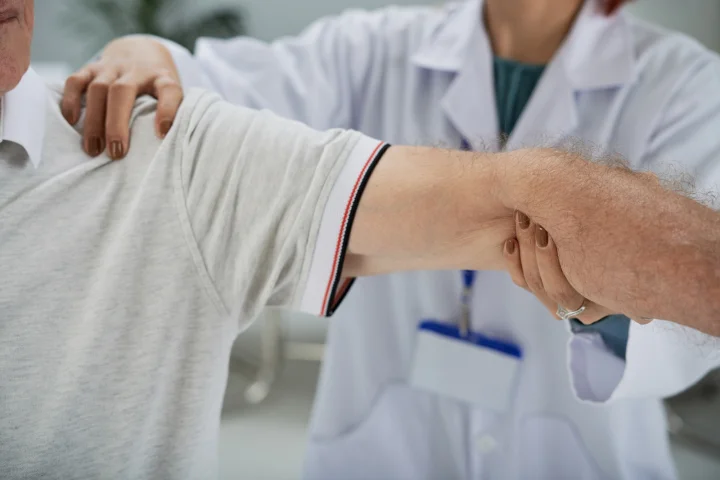
During the diagnostic process, the patient's symptoms, how the injury occurred, and any existing movement limitations are evaluated in detail. Following a physical examination, imaging methods may be used when necessary.
Evaluation Process
- A detailed medical history is taken.
- A physical examination is performed.
- Joint range of motion is assessed.
- Areas of pain and tenderness are identified.
- Joint stability is evaluated.
- Muscle strength and functional status are assessed.
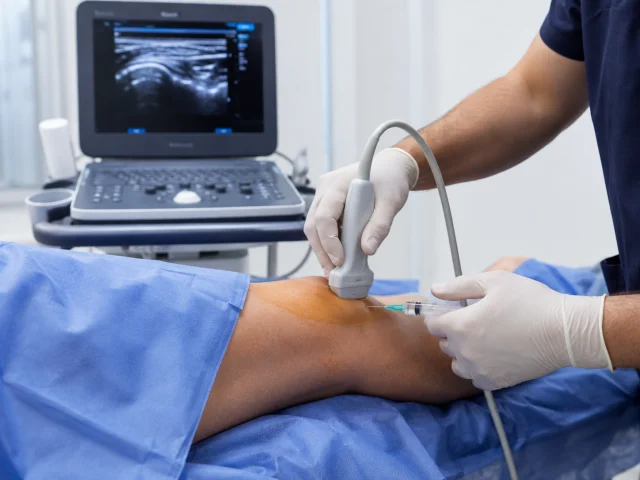
- Ultrasound imaging may be performed when necessary.
- MRI or other imaging methods may be used when clinically indicated.
How Are Joint and Ligament Treatments Planned?
The treatment plan for joint and ligament problems is not the same for every patient. The type of problem, duration and severity of symptoms, affected joint, physical capacity, and daily activity requirements are evaluated to determine the appropriate treatment approach.
For suitable patients, non-surgical treatment methods may be considered initially. The aim of treatment is to help reduce pain, support joint function, and help the individual continue daily activities more comfortably.
Treatment Options
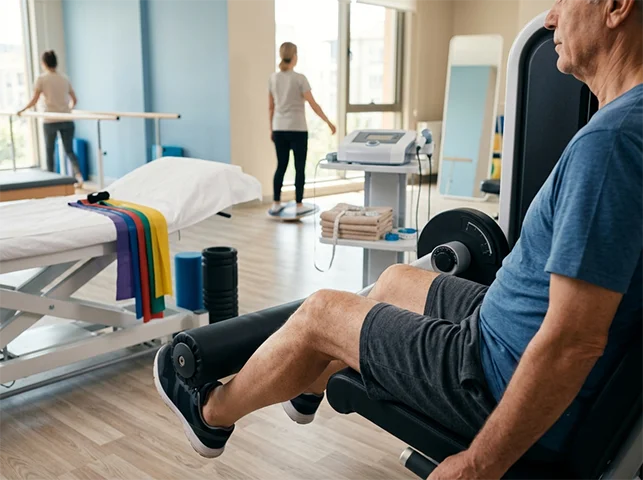
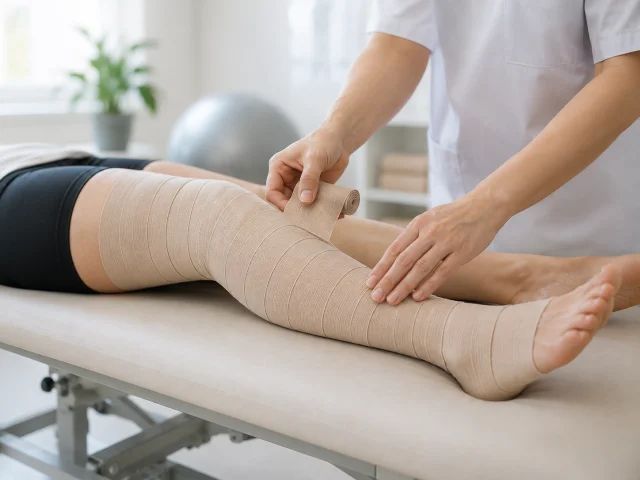
- Physical therapy
- Personalized exercise programs
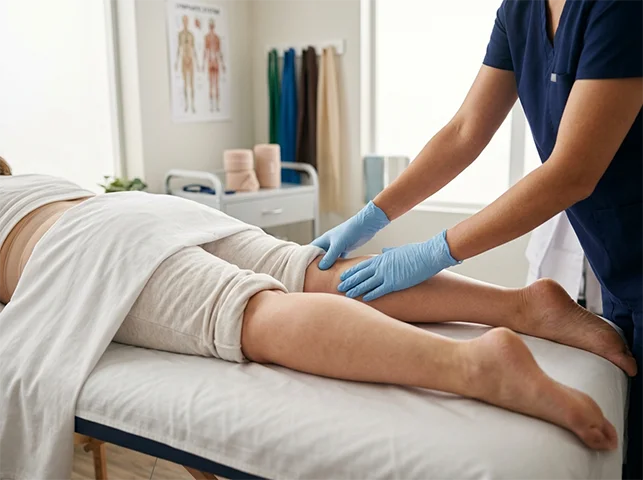
- Manual therapy techniques
- Pain management
- Ultrasound-guided interventional injections
- Interventional treatments for joints and soft tissues
- Recommendations for adapting daily activities
Physical Therapy for Joint and Ligament Problems
Physical therapy may help suitable patients improve joint movement, strengthen muscles, and reduce limitations in mobility.
The treatment program is planned according to the individual's current condition. The type, intensity, and progression of exercises are determined based on the patient's functional capacity.
Goals of Physical Therapy
- Helping reduce pain
- Supporting joint range of motion
- Improving muscle strength
- Supporting joint stability
- Improving flexibility
- Improving movement control
- Supporting daily activities
The Importance of Exercise in Joint and Ligament Treatment
Appropriately planned exercises may help strengthen the muscles that support the joint and maintain movement function.
Following ligament injuries or joint problems, it is important to progress an exercise program in a controlled manner. Since not every exercise is suitable for every patient, the program should be developed following a specialist evaluation.
Exercises That May Be Included in a Rehabilitation Program
- Muscle strengthening exercises
- Joint range-of-motion exercises
- Stretching exercises
- Balance exercises
- Coordination exercises
- Functional exercises
- Exercises appropriate for the individual's activity level
Manual Therapy for Joint and Ligament Problems
Manual therapy may be used in suitable patients as part of an approach aimed at evaluating and supporting joint movement and the surrounding tissues. The treatment approach is determined according to the patient's symptoms and physical examination findings.
Manual therapy may be combined with exercise and other physical therapy approaches when appropriate.
Interventional Treatments for Joint and Ligament Problems
In some patients, interventional treatment options may be considered to help manage pain originating from the joint or surrounding soft tissues.
Ultrasound-guided interventional injections are procedures in which the target anatomical area is visualized to help guide the treatment toward the appropriate region.
Interventional Treatment Options
- Intra-articular injections
- Periarticular injections
- Procedures targeting ligaments and tendons
- Interventional procedures for soft tissues
- Ultrasound-guided interventional treatments
Whether interventional treatment is necessary and which method is appropriate are determined following a clinical evaluation.
Joint and Ligament Treatments for Sports Injuries
The treatment process for ligament and joint injuries occurring during sports varies depending on the type and severity of the injury. The aim of treatment is to help manage pain, support joint function, and facilitate a controlled return to physical activities.
During rehabilitation, muscle strength, joint range of motion, balance, coordination, and movement control may be evaluated together.
Is Surgery Always Necessary for Joint and Ligament Problems?
No. Not every joint or ligament problem requires surgery. Depending on the type of problem and the clinical condition, physical therapy, exercise, pain management, and interventional treatment options may be considered for suitable patients.
Whether surgery is necessary is determined by the severity of the injury, joint stability, functional impairment, and the patient's clinical evaluation by the relevant specialist.
When Should You See a Doctor?
Specialist evaluation is recommended if joint pain persists for a long time, recurrent swelling occurs, mobility is limited, or there is a feeling of instability in the joint.
Following trauma, medical evaluation should be sought without delay if severe pain, significant swelling, bruising, inability to move the joint, or inability to bear weight develops.
Frequently Asked Questions About Joint and Ligament Treatments
Can joint and ligament injuries heal on their own?
Some minor injuries may improve with appropriate rest and controlled movement. However, specialist evaluation may be necessary to determine the extent of the injury and the structures involved.
Is physical therapy used for ligament injuries?
Depending on the type and severity of the injury, physical therapy and rehabilitation may be included in the treatment plan. The exercise program should be specifically designed according to the individual's condition.
Can injection treatment be used for joint pain?
In some patients, injection treatments may be considered to help manage pain originating from the joint or surrounding tissues. The appropriate method is determined following a specialist evaluation.
Can you exercise with joint problems?
Controlled exercise may be recommended for suitable patients. However, the type and intensity of exercise should be determined according to the level of pain and joint function.
How long does joint and ligament treatment take?
The duration of treatment varies depending on the type and severity of the problem, the individual's overall health, and their response to treatment. Therefore, treatment duration may differ from person to person.
Joint and Ligament Treatments in Adana
For joint and ligament treatments in Adana, the patient's symptoms, physical examination findings, and relevant imaging results are evaluated to develop an individualized treatment plan.
Dr. Buliana Çankaya, MD evaluates physical therapy, exercise, pain management, and ultrasound-guided interventional treatment options for suitable patients with joint and ligament problems. For more information, please contact our clinic through the Contact page.
Conclusion
Joint and ligament problems may develop due to various causes, including trauma, sports injuries, repetitive strain, and age-related changes. Symptoms such as pain, swelling, limited mobility, and a feeling of joint instability can negatively affect daily life.
Following an appropriate evaluation, physical therapy, personalized exercise, manual therapy, pain management, and interventional treatment options may be considered together when appropriate.
If you would like to learn more about joint and ligament treatments in Adana, you can consult Dr. Buliana Çankaya, MD to learn more about the evaluation and treatment options suitable for your condition.