
 >
>
What Are Interventional Spine Treatments According to IPSIS Standards? Applications and Treatment Process
Interventional spine treatments according to IPSIS standards encompass interventional approaches used to evaluate and manage spine-related pain and, when appropriate, performed under image guidance. IPSIS (International Pain and Spine Intervention Society) is an international medical organization that develops scientific resources, education, and practice standards in the field of interventional pain and spine care.
Following a comprehensive evaluation by Dr. Buliana Çankaya, MD, the patient's symptoms, physical examination findings, and relevant imaging results are assessed together to determine appropriate treatment options. In this article, you can find information about interventional spine treatments according to IPSIS standards, their potential applications, the treatment process, and important considerations before treatment.
What Is IPSIS?
IPSIS (International Pain and Spine Intervention Society) is an international medical organization that supports scientific developments and practice standards in the field of interventional pain medicine. The organization contributes to education, research, and the development of practice standards for spinal interventions.
The clinical guidelines and technical resources published by IPSIS cover various aspects of interventional spine procedures, including indications, pre-procedure evaluation, imaging, needle placement, safety practices, and post-procedure follow-up.
What Are Interventional Spine Treatments According to IPSIS Standards?
Interventional spine treatments are approaches that involve targeting specific anatomical structures of the spine and surrounding tissues. In appropriate patients, these procedures may be performed with the assistance of imaging techniques.
Before the procedure, the source of the patient's symptoms, physical examination findings, and available imaging results are evaluated. Whether an interventional procedure is necessary and which method is appropriate are determined according to the patient's individual condition.
Key Principles of Interventional Spine Treatments
- Comprehensive evaluation of the patient
- Determination of appropriate patient selection and treatment indication
- Evaluation of necessary imaging studies
- Identification of the anatomical target for the procedure
- Performance of the procedure under appropriate image guidance
- Following appropriate safety practices during the procedure
- Monitoring the patient after the procedure
When Can Interventional Spine Treatments Be Considered?
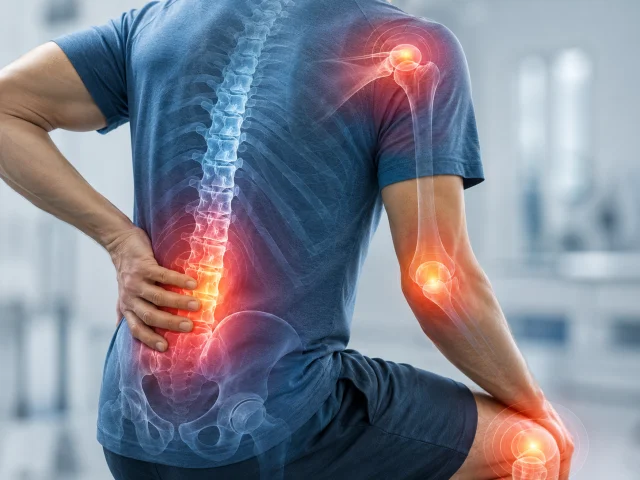
Interventional spine procedures may be considered in appropriate patients with various spinal and pain-related conditions. Treatment decisions are not based solely on imaging findings but are made together with the patient's symptoms and clinical examination.
Main Areas of Evaluation
- Low back pain
- Neck pain
- Pain associated with a lumbar disc herniation
- Pain associated with a cervical disc herniation
- Nerve root-related pain
- Symptoms associated with spinal stenosis
- Facet joint-related pain
- Certain types of sacroiliac joint-related pain
The most appropriate interventional method is determined following a comprehensive clinical evaluation.
Which Interventional Spine Procedures Are Included in IPSIS Standards?
IPSIS technical resources include various interventional procedures targeting different spinal regions and anatomical structures. These include epidural procedures, facet joint and medial branch procedures, sacroiliac interventions, disc procedures, and certain vertebral interventions.
Epidural Procedures
Epidural procedures can be performed using different techniques in the cervical, thoracic, and lumbar regions. In appropriate patients, they may be considered as part of the evaluation and treatment planning for nerve root-related pain.
Facet Joint Procedures
Facet joints are located in the posterior part of the spine and contribute to spinal movement. In patients whose pain is considered to originate from these joints, interventional procedures such as facet joint injections or medial branch blocks may be considered.
Sacroiliac Joint Procedures
The sacroiliac joint is located between the lower part of the spine and the pelvis. In appropriate patients, interventional procedures may be considered as part of the evaluation and treatment plan for pain believed to originate from the sacroiliac joint.
Other Interventional Spine Procedures
- Interlaminar epidural procedures
- Transforaminal epidural procedures
- Caudal epidural procedures
- Medial branch blocks
- Facet joint procedures
- Sacroiliac joint procedures
- Disc procedures
- Vertebral procedures when clinically appropriate
Image-Guided Interventional Spine Treatments
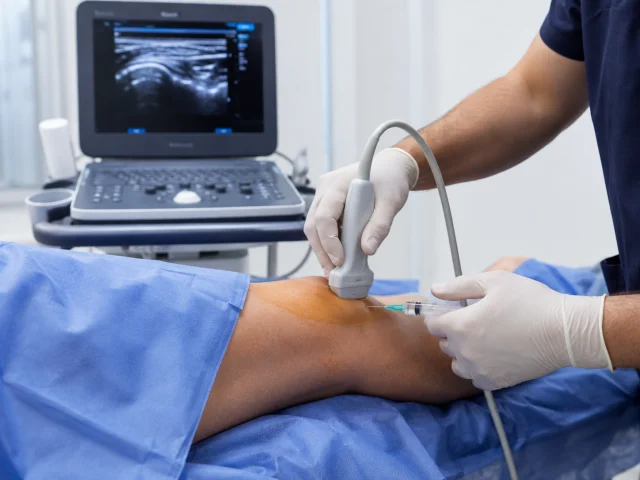
Imaging techniques may be used during interventional spine procedures to help identify target anatomical structures and guide the needle toward the planned area. The imaging method used is determined according to the procedure and anatomical region involved.
Performing the procedure under appropriate image guidance is important for evaluating anatomical structures, planning the procedure, and supporting safe application.
What Is Evaluated Before an Interventional Spine Treatment?
Before planning an interventional treatment, the patient's symptoms are evaluated in detail. Physical examination findings and relevant imaging results are reviewed together to help identify the potential source of the pain.
Pre-Procedure Evaluation
- Review of the patient's medical history
- Assessment of pain characteristics
- Physical and neurological examination
- Review of existing MRI or other imaging results
- Evaluation of current medications
- Assessment of bleeding risk and existing medical conditions
- Determination of the suitability of the procedure
How Are Interventional Spine Treatments Performed?
The procedure varies depending on the selected interventional technique and treatment area. Before the procedure, the patient is prepared appropriately and the target anatomical region is identified.
General Procedure Process
- The patient is evaluated and a treatment plan is established.
- The anatomical region to be treated is identified.
- The target area is evaluated using the necessary imaging technique.
- The procedure area is prepared appropriately.
- The needle is guided toward the target area under image guidance.
- The planned interventional procedure is performed.
- The patient is monitored for a short period after the procedure.
The duration and technique of the procedure may vary depending on the selected method and the patient's clinical condition.
Why Is Safety Important in IPSIS-Standard Interventional Spine Procedures?
Patient safety is an important consideration in interventional pain and spine procedures. Safety practices published by IPSIS cover various aspects, including appropriate patient selection, evaluation of contraindications, aseptic techniques, imaging guidance, post-procedure monitoring, and measures aimed at reducing potential complications.
For this reason, interventional procedures should be performed after evaluating the patient's clinical condition and ensuring appropriate safety conditions.
Are There Any Risks Associated with Interventional Spine Treatments?
As with any interventional procedure, spinal interventions may involve certain risks. The potential risks vary depending on the type of procedure, treatment area, and the patient's existing health conditions.
Temporary pain or tenderness, bruising, or similar symptoms may occur at the procedure site. Although more serious complications are less common, evaluating the patient's individual risk factors before the procedure is important.
Patients should receive detailed information about the planned procedure and potential risks before treatment, and the necessary informed consent process should be completed.
Are Interventional Spine Treatments Suitable for Every Patient?
No. Interventional spine treatments are not suitable for every patient. The patient's diagnosis, cause of symptoms, physical examination findings, imaging results, medications, and overall health are evaluated together to determine whether the procedure is appropriate.
Therefore, the decision to proceed with an interventional treatment should be made on an individualized basis following a comprehensive evaluation by a specialist physician.
Can Interventional Spine Treatments Be Combined with Physical Therapy?
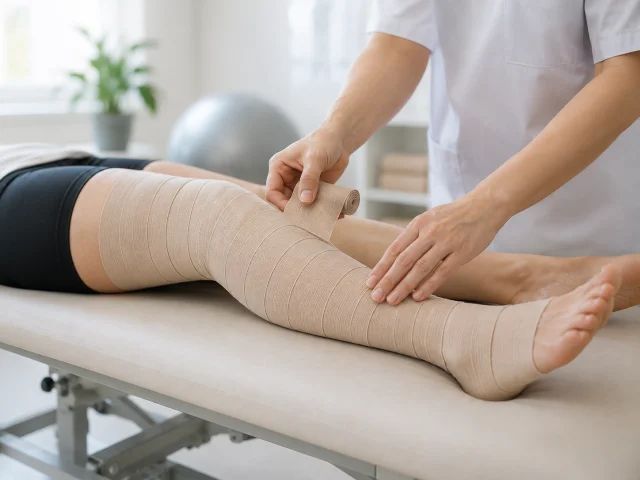
In appropriate patients, interventional treatments may be planned together with physical therapy and personalized exercise programs. The treatment approach is determined according to the patient's symptoms, functional status, and individual needs.
Physical therapy aims to support mobility, improve muscle strength, and help patients perform daily activities more comfortably.
Frequently Asked Questions About Interventional Spine Treatments According to IPSIS Standards
What does IPSIS stand for?
IPSIS stands for International Pain and Spine Intervention Society. It is an international medical organization that develops scientific resources, education, and practice standards in the field of interventional pain medicine and spine interventions.
What does treatment according to IPSIS standards mean?
IPSIS standards refer to scientific and technical guidelines and practice resources designed to support the appropriate and safe performance of interventional pain and spine procedures.
Are interventional spine treatments considered surgery?
Interventional spine procedures are different from surgical operations. Depending on the technique used, these procedures may involve using a needle to target a specific anatomical area.
Can interventional spine treatment be used for a lumbar disc herniation?
Interventional treatments may be considered in selected patients with symptoms associated with a lumbar disc herniation. Whether the treatment is appropriate is determined by evaluating the patient's symptoms, examination findings, and imaging results together.
Can interventional treatment be performed for spinal stenosis?
Certain interventional treatment methods may be considered in appropriate patients with symptoms associated with spinal stenosis. The most suitable method is determined according to the patient's clinical condition.
Is physical therapy necessary after interventional spine treatment?
The same treatment approach is not appropriate for every patient. In selected patients, physical therapy and personalized exercise programs may be planned following an interventional procedure or as part of the overall treatment plan.
IPSIS-Standard Interventional Spine Treatments in Adana
For IPSIS-standard interventional spine treatments in Adana, the patient's symptoms, physical examination findings, and relevant imaging results are evaluated together to develop an individualized treatment approach.
Dr. Buliana Çankaya, MD evaluates interventional spine treatment options for appropriate patients as part of non-surgical pain management. For more information, please contact our clinic through the Contact page.
Conclusion
Interventional spine treatments according to IPSIS standards encompass approaches for evaluating spine-related pain and planning appropriate interventional treatment options for selected patients. Comprehensive patient evaluation, selection of the appropriate procedure, and ensuring safe application conditions are important components of the treatment process.
If you would like to learn more about IPSIS-standard interventional spine treatments in Adana, you can consult Dr. Buliana Çankaya, MD to learn more about the evaluation and treatment options suitable for your condition.