
 >
>
What Are Joint and Ligament Treatments? Symptoms, Causes, and Non-Surgical Treatment Options
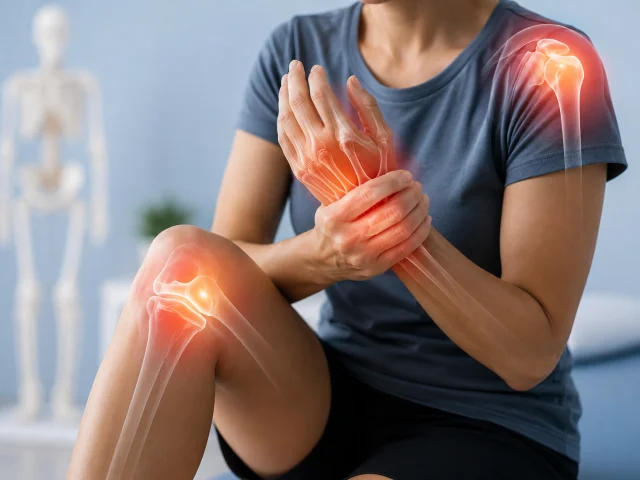
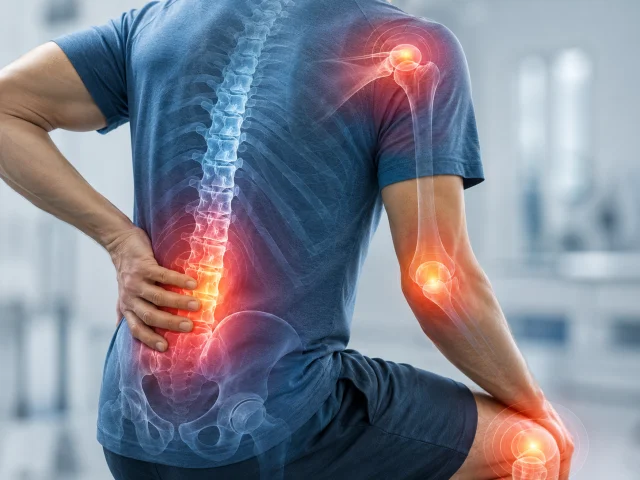
Joint and ligament injuries are musculoskeletal conditions that may occur due to daily activities, sports injuries, aging-related changes, or trauma. They can negatively affect quality of life by causing pain, swelling, limited mobility, and reduced joint function.
Following a comprehensive evaluation performed by Dr. Buliana Çankaya, MD, the patient's symptoms, physical examination findings, and any necessary imaging studies are assessed together to develop a personalized treatment plan. In this article, you will find detailed information about the causes, symptoms, diagnostic process, and non-surgical treatment options for joint and ligament injuries.
What Are Joint and Ligament Injuries?
Joints are the structures where bones meet and enable movement. Ligaments are strong connective tissues that stabilize and support the joints. Sudden twisting movements, falls, sports injuries, or age-related degenerative changes may result in damage to these structures.
Joint and ligament injuries can range from mild sprains to severe ligament tears. Early evaluation and appropriate treatment planning are important to help prevent functional limitations.
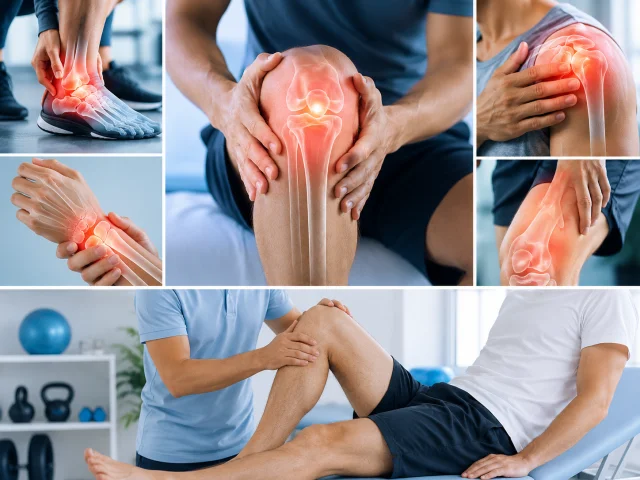
Most Commonly Affected Joints
- Knee joint
- Shoulder joint
- Ankle
- Elbow
- Wrist
- Hip joint
What Are the Symptoms of Joint and Ligament Injuries?
Symptoms vary depending on the location and severity of the injury. While some patients experience mild discomfort, others may develop significant pain, restricted movement, or joint instability.
Common Symptoms
- Joint pain
- Swelling
- Pain during movement
- Limited range of motion
- Joint tenderness
- Muscle weakness
- A feeling of joint instability or giving way
- Bruising
What Causes Joint and Ligament Injuries?
Joint and ligament injuries may develop for various reasons. Sudden movements, sports activities, and age-related degenerative changes are among the most common contributing factors.
Main Causes
- Sports injuries
- Falls and direct trauma
- Sudden twisting movements
- Overuse
- Muscle weakness
- Age-related degenerative changes
- Walking on uneven surfaces
Who Is at Risk?
- Athletes
- Older adults
- Individuals performing physically demanding work
- People with a previous ligament injury
- Individuals who are overweight
How Are Joint and Ligament Injuries Diagnosed?
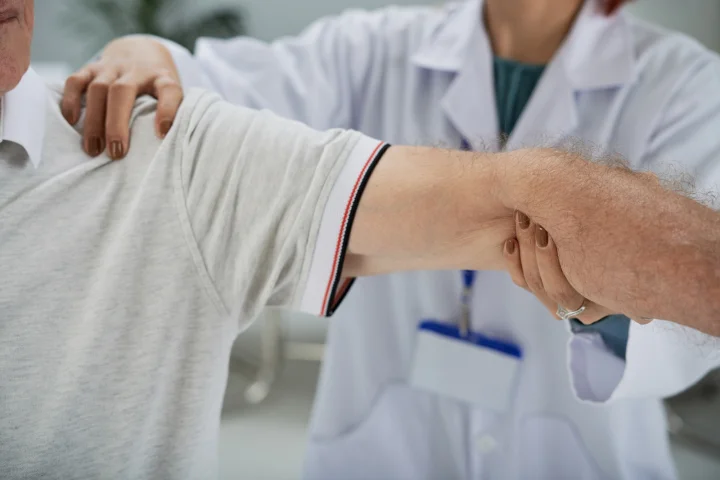
The diagnostic process begins with a detailed evaluation of the patient's symptoms. After a physical examination, imaging studies may be recommended when necessary to determine the severity of the injury.
Diagnostic Evaluation May Include
- Detailed medical history
- Comprehensive physical examination
- Assessment of joint stability
- Ultrasound or MRI imaging when clinically indicated
Can Joint and Ligament Injuries Be Treated Without Surgery?
For many patients, non-surgical treatment approaches aim to reduce pain, support joint function, and facilitate a return to daily activities. The treatment plan is individualized based on the patient's age, type of injury, symptoms, and functional needs.
Non-Surgical Treatment Options
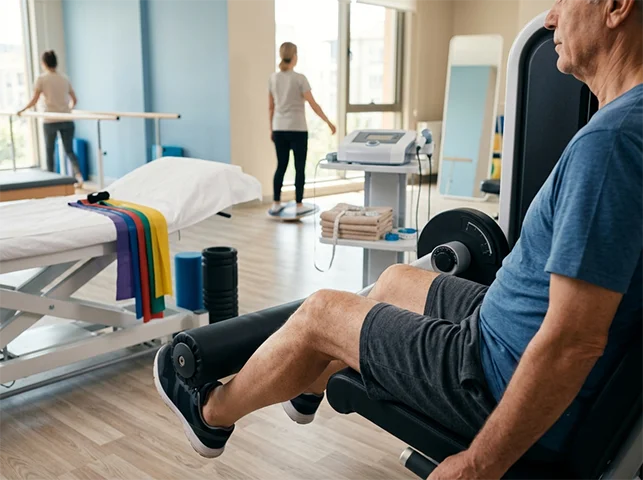
- Physical therapy
- Personalized exercise programs
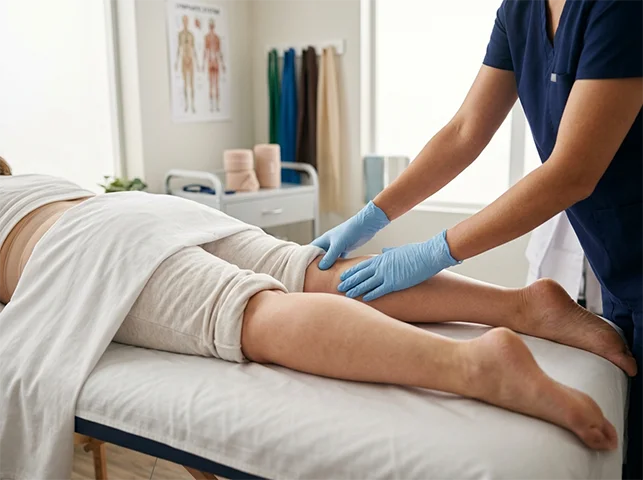
- Manual therapy techniques
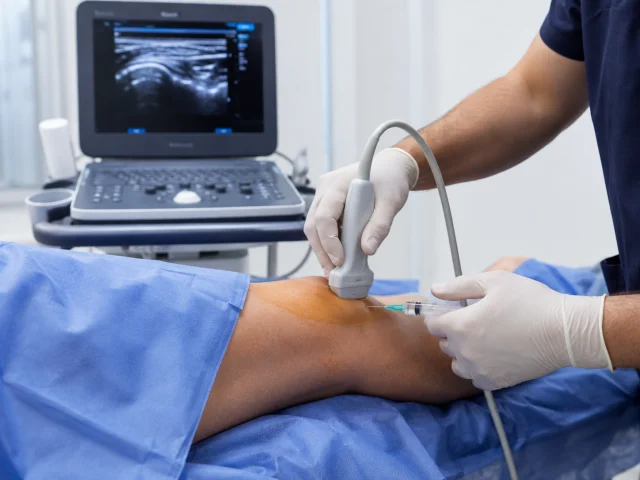
- Ultrasound-guided interventional injections
- Pain management approaches
- Functional rehabilitation programs
Interventional Treatments for Joint and Ligament Conditions
When appropriate, ultrasound-guided interventional injection procedures may be considered. Image guidance allows the physician to accurately evaluate the target area during the procedure.
The most appropriate interventional treatment method is determined following a comprehensive evaluation by the physician.
The Importance of Physical Therapy in Joint and Ligament Injuries
Physical therapy aims to help preserve joint mobility, improve muscle strength, enhance balance and coordination, and support functional recovery.
Goals of Physical Therapy
- Helping reduce pain
- Maintaining joint range of motion
- Improving muscle strength
- Enhancing balance and coordination
- Supporting a safe return to daily activities
When Should You See a Doctor?
You should seek evaluation by a healthcare professional if joint pain persists, swelling develops, movement becomes limited, the joint feels unstable, or you are unable to bear weight following an injury.
Frequently Asked Questions About Joint and Ligament Treatments
Do all ligament injuries require surgery?
No. Depending on the severity of the injury, many patients may benefit from non-surgical treatment options. The most appropriate treatment plan is determined after a comprehensive medical evaluation.
Can physical therapy help relieve joint pain?
When tailored to the underlying condition, physical therapy and individualized exercise programs may help improve function and support pain management in many patients.
How long does it take for a ligament injury to heal?
Recovery time varies depending on the severity of the injury, the individual's overall health, and the selected treatment approach.
Can I exercise after a joint injury?
Exercise programs should always be planned individually following an evaluation by a qualified healthcare professional.
Joint and Ligament Treatments in Adana
During the evaluation of joint and ligament conditions in Adana, each patient's symptoms are carefully assessed, and a personalized treatment plan is developed.
Dr. Buliana Çankaya, MD provides individualized care through non-surgical pain management, physical therapy applications, and ultrasound-guided interventional treatment options. For more information, please contact our clinic via the Contact page.
Conclusion
Joint and ligament injuries are musculoskeletal conditions that can often be effectively managed with early evaluation and an individualized treatment plan. Personalized treatment approaches aim to support pain management and improve functional mobility.
If you would like to learn more about joint and ligament treatments in Adana, you can schedule a consultation with Dr. Buliana Çankaya, MD to discuss the most appropriate evaluation and treatment options for your condition.